
The Gut-Joint Connection: How Your Microbiome Affects Joint Health
-
Andra Picincu
Bloating, irregular bowel movements, and food sensitivities are all common signs of bad gut health. But what if an imbalance in your gut microbiome could affect more than just digestion? As it turns out, gut health is strongly connected to joint pain.
This relationship, often referred to as the gut-joint axis, explains how imbalances in gut bacteria contribute to inflammation and joint structural damage. According to emerging research, gut dysbiosis can increase the risk of arthritis and cause achy joints even in people without a diagnosed joint condition.
For example, an overgrowth of Streptococcus species in the gut may trigger or worsen knee pain by activating synovial macrophages. These immune cells contribute to low-grade joint inflammation. Certain Streptococcus species have also been linked to rheumatic fever, osteomyelitis, reactive arthritis, and other inflammatory joint disorders.
But how exactly do gut bacteria affect joint health? And, most importantly, what can you do about it? Let’s find out.
Understanding the Gut-Joint Connection
The human gut is home to approximately 100 trillion microbes spanning around 5,000 different species. These fungi, bacteria, viruses, and archaea collectively form the gut microbiome, a complex ecosystem that helps maintain host homeostasis.
Certain microorganisms modulate joint tissue homeostasis through an interaction known as the gut-joint axis. Under normal conditions, their main functions include:
- Preserving intestinal epithelial integrity
- Producing immunomodulatory metabolites
- Inducing peripheral immune tolerance
For instance, some gut bacteria produce short-chain fatty acids (SCFAs) like propionate, butyrate, and acetate by fermenting non-digestible dietary fibers.
Through the gut–joint axis, SCFAs can enter the bloodstream and influence systemic immune responses, inflammation, and musculoskeletal health. Butyrate also serves as a primary energy source for colon cells, helping maintain the intestinal barrier and regulate local immune activity.
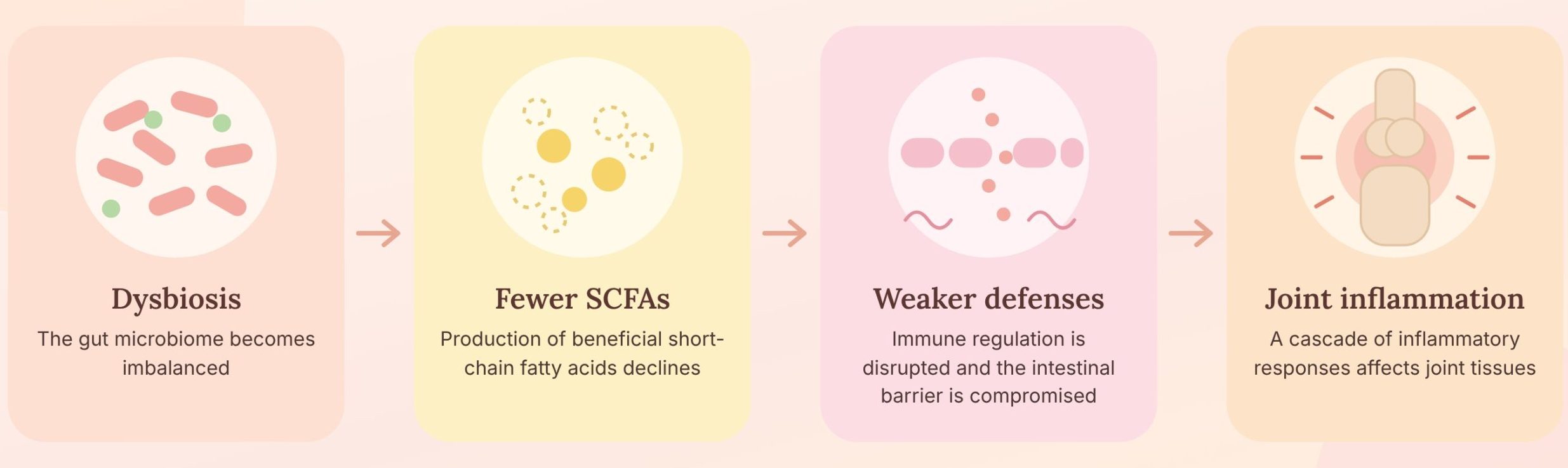
When the gut microbiome becomes imbalanced, a condition known as dysbiosis, the production of beneficial SCFAs may decline. This structural breakdown in the gut environment can disrupt immune regulation and compromise intestinal barrier function, triggering a cascade of inflammatory responses that affect joint tissues.
Other gut microorganisms produce tryptophan or bile acids (BAs), both of which play important roles in immune regulation and metabolic signaling. Disruptions in these pathways can further contribute to inflammatory processes and joint damage.
Another mechanism through which dysbiosis can affect joint health involves lipopolysaccharides (LPS), endotoxins found in the outer membrane of Gram-negative bacteria, such as Escherichia coli and Salmonella.
When your gut is in balance, the intestinal barrier prevents significant amounts of these bacterial components from entering the bloodstream. Increased intestinal permeability can allow LPS to cross the gut lining and trigger immune responses throughout the body.
Once in circulation, LPS activates Toll-like receptor 4 (TLR4), a receptor found on immune cells, synovial cells, and chondrocytes. This interaction activates inflammatory signaling pathways, including NF-κB. As a result, it stimulates the release of pro-inflammatory cytokines like TNF-α, IL-1β, and IL-6.
These cytokines can increase the activity of cartilage-degrading enzymes, including matrix metalloproteinases (MMPs), which break down collagen and other components of the joint extracellular matrix. Over time, persistent inflammatory signaling can contribute to synovial inflammation, cartilage degradation, and joint tissue damage.
How Does Gut Dysbiosis Contribute to Joint Pain?
Joint pain is one of the most overlooked signs of bad gut health. In addition to digestive discomfort, an imbalanced gut microbiome can influence the development and progression of joint disorders through metabolic, immune, and neuroendocrine pathways.
Gut dysbiosis has been linked to reactive arthritis, rheumatoid arthritis, osteoarthritis, and spondyloarthritis. According to the Spondylitis Association of America, it may also contribute to enteropathic arthritis, an inflammatory condition that affects both the musculoskeletal and gastrointestinal systems.
Gut Health and Rheumatoid Arthritis (RA)
Approximately 18 million people worldwide live with rheumatoid arthritis (RA), a chronic inflammatory condition that causes pain and stiffness in one or more joints. Changes in the gut microbiome, including reduced microbial diversity and an increased abundance of certain bacterial species, may influence disease development and progression.
For example, a 2013 study found a strong association between Prevotella copri and untreated, new-onset rheumatoid arthritis. People with RA also had lower levels of Bacteroides and other beneficial microbes, a reduction that correlated with an increase in Prevotella abundance.
More recent research has uncovered another possible mechanism linking the gut to autoimmune diseases.
A 2025 study published in Nature Immunology suggests that certain immune cells in the gut, known as TH17 cells, can transform into abnormal T follicular helper (Tfh) cells. These cells may travel beyond the intestine and trigger autoimmune responses that promote inflammation in other parts of the body, including the joints.
“This is really the first time it’s been shown that T-cell plasticity, which typically occurs in the gut, can have this dramatic impact outside the gut with systemic impact on autoimmune disease,” notes senior study author Hsin-Jung Joyce Wu, Ph.D.
Other studies have identified broader patterns of gut dysbiosis in people with RA, where potentially inflammatory bacteria become more abundant while beneficial microbes decline. These changes may include:
- Higher levels of Escherichia-Shigella and certain Bacteroides species. These bacteria may promote gut inflammation in people with RA.
- Increased Akkermansia, Blautia, and certain Clostridiales, particularly among individuals with ACPA-positive RA, a form of the disease associated with specific autoantibodies.
- Greater abundance of Collinsella, a bacterium that may compromise intestinal barrier integrity, allowing bacterial components to enter the bloodstream and stimulate immune activity.
- Lower levels of potentially protective bacteria, such as Lactobacillus, Enterobacter, Odoribacter, and Haemophilus species.
These changes in the gut flora can alter immune regulation, promote inflammation, and increase intestinal permeability. Over time, the resulting immune responses may extend beyond the gut and contribute to the chronic inflammation that affects the joints in rheumatoid arthritis.
Gut Microbiota and Osteoarthritis
Osteoarthritis (OA) affects about 22% of adults and roughly half of those over age 65. This degenerative joint disease is characterized by low-grade systemic inflammation, which can be due to mechanical, metabolic, and biological factors, including gut dysbiosis.
A large-scale study featured in Nature Communications found that people with higher levels of Streptococcus species in their gut microbiome were more likely to experience knee pain. Greater Streptococcus abundance was associated with higher scores on the WOMAC pain scale, a measure commonly used to assess osteoarthritis symptoms.
Researchers accounted for other risk factors, including obesity. The association between Streptococcus abundance and knee pain persisted even after adjusting for body mass index (BMI), suggesting that the gut microbiome may play an independent role in OA-related pain and inflammation.
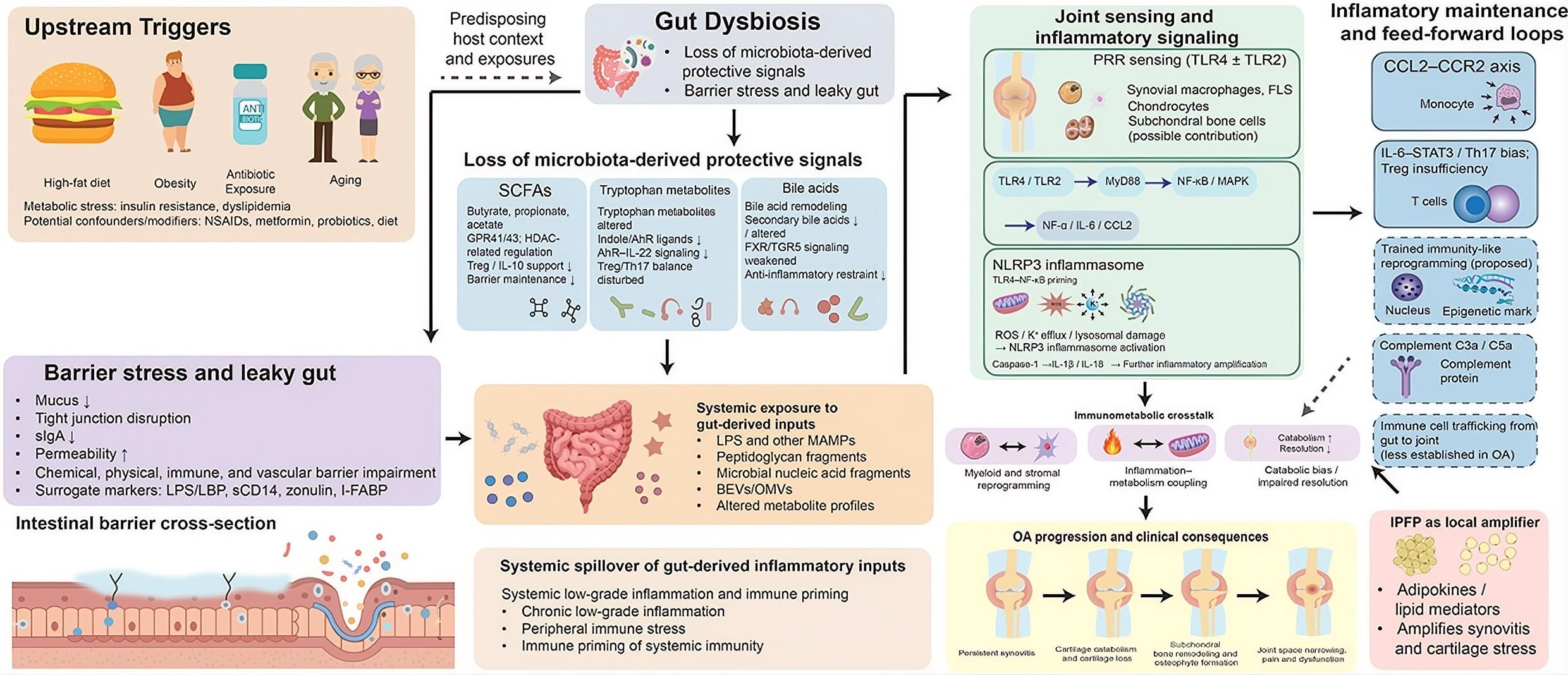
https://doi.org/10.2147/JIR.S630988
So how do gut bacteria affect the knees?
According to the above study, Streptococcus species may produce bacterial products capable of crossing the gut barrier or otherwise entering the bloodstream. These compounds may then activate macrophages, immune cells that contribute to joint inflammation, through Toll-like receptor (TLR) signaling pathways.
Macrophage activation has been linked to inflammation of the synovial lining, a key feature of osteoarthritis that can contribute to pain and stiffness. Simply put, changes in the gut microbiome may influence OA symptoms through immune pathways that extend far beyond the digestive tract.
Inflammation Is Only Part of the Picture
The gut microbiome may influence joint health through several mechanisms, with inflammation being just one part of the picture, as outlined in a 2023 scientific review.
Take short-chain fatty acids, for example.
These compounds are produced by gut bacteria, helping regulate inflammatory responses. They also support bone health by suppressing the formation and activity of osteoclasts, the cells responsible for breaking down bone tissue.
Disruptions in the gut microbial populations responsible for producing SCFAs may therefore affect both inflammatory activity and bone metabolism, contributing to OA progression.
Another potential mechanism involves increased intestinal permeability, or “leaky gut.”
When the gut barrier becomes compromised, bacterial products can enter the bloodstream and trigger a systemic inflammatory response. This low-grade inflammation may contribute to joint damage and osteoarthritis progression. In animal studies, transferring gut microbes from donors with metabolic disorders accelerated OA development.
Researchers have also identified differences in the overall composition and function of the gut microbiome in people with OA compared to healthy individuals.
These changes include shifts in bacterial populations, altered metabolic pathways, and differences in gut fungi, all of which may influence immune regulation, inflammation, and nutrient metabolism in ways that affect joint health.
Gut-Derived Signals Affect Joint Tissues
Gut bacteria may also influence how joint cells behave, according to a 2026 review published in the Journal of Inflammation Research.
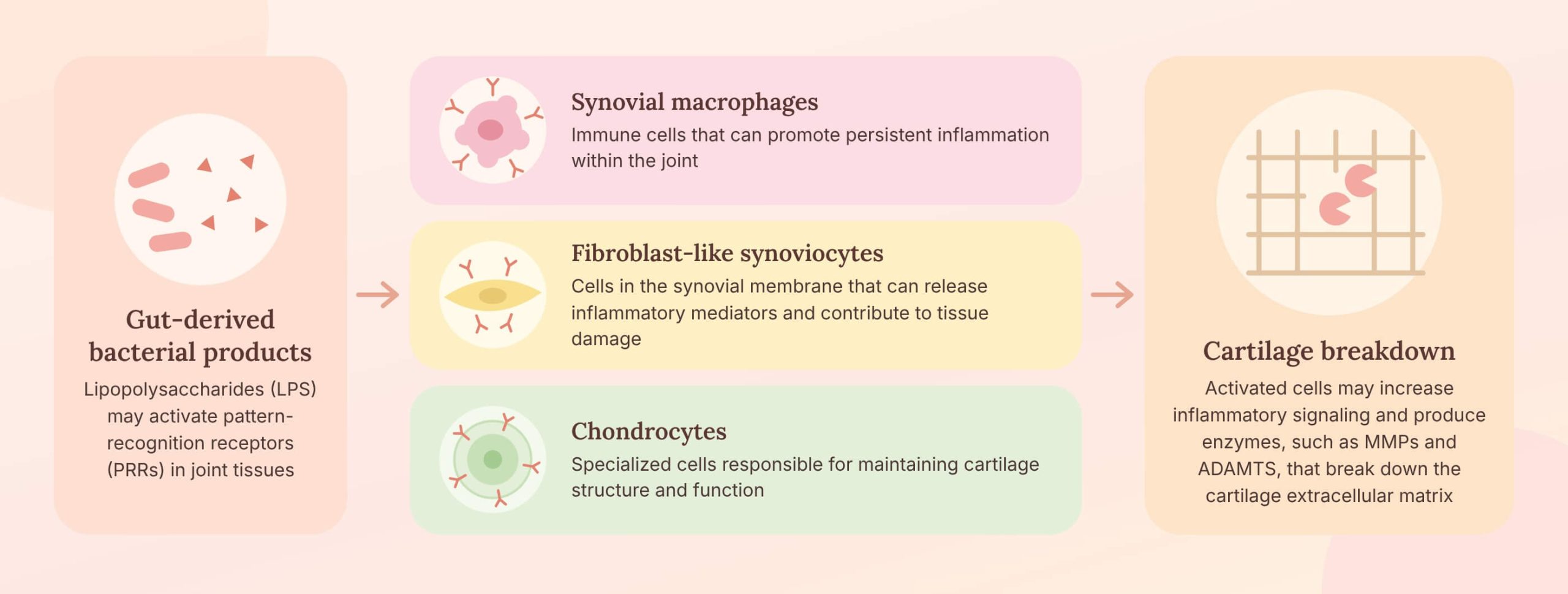
As the researchers note, gut-derived bacterial products, particularly lipopolysaccharides (LPS), may activate pattern-recognition receptors (PRRs) in joint tissues.
These receptors are found on several types of joint cells, including:
- Synovial macrophages: Immune cells that can promote persistent inflammation within the joint.
- Fibroblast-like synoviocytes: Cells in the synovial membrane that can release inflammatory mediators and contribute to tissue damage.
- Chondrocytes: Specialized cells responsible for maintaining cartilage structure and function.
Once activated, these cells may increase inflammatory signaling and the production of enzymes, such as matrix metalloproteinases (MMPs) and ADAMTS, which break down components of the cartilage extracellular matrix.
But that’s not all. Chronic inflammation can alter how joint cells generate and use energy, a process known as metabolic reprogramming.
Let’s see a few examples:
- Glucose metabolism: Changes in glycolysis and lactate production may affect cartilage maintenance and increase cellular stress.
- Lipid metabolism: Altered lipid metabolism may contribute to metabolic stress and inflammatory signaling within joint tissues.
- Amino acid metabolism: Changes in amino acid availability and metabolism may influence immune activity and cellular function.
These processes illustrate how closely metabolism and inflammation are connected.
Inflammatory signals can disrupt cellular metabolism, while metabolic disturbances sustain inflammatory activity. The result is a feedback loop that may contribute to OA progression.
Last but not least, gut dysbiosis may act as an amplifier of existing inflammatory and metabolic disturbances rather than an independent trigger of OA.
For instance, obesity, insulin resistance, aging, and metabolic disorders can influence gut microbiome composition and intestinal barrier integrity.
These processes may increase systemic inflammatory signaling, making joint tissues more susceptible to damage. Consequently, gut health may be especially relevant in people whose OA is associated with metabolic dysfunction.
Gastrointestinal Infections Can Trigger Reactive Arthritis
Gastroenteritis and other intestinal infections are caused by bacteria, viruses, or parasites, triggering inflammation in the gastrointestinal (GI) tract. In such cases, inflammation is part of the body’s immune response to pathogens.
These infections can disrupt the balance of your gut flora and damage the mucus layer where good bacteria live.
Sometimes, they may cause reactive arthritis, an inflammatory condition that causes joint pain and swelling. Certain foodborne bacteria, such as Salmonella, Campylobacter, Shigella, and Yersinia, are particularly well-known triggers.
Reactive arthritis occurs weeks after an infection and lasts anywhere from three to 12 months. Some people develop mild, chronic arthritis, and up to 50% experience recurrent flare-ups throughout their lives.
Joint inflammation can persist for months or even years after the initial infection has cleared. One possible explanation is that gut bacterial triggers can initiate a persistent immune response that primarily affects joint tissues.
Beyond Arthritis: Other Rheumatic Diseases Linked to Gut Health
Poor gut health has been linked to several types of arthritis beyond those discussed above.
A 2022 systematic review published in eBioMedicine, which examined 92 observational studies involving nearly 12,000 participants, found associations between gut dysbiosis and juvenile idiopathic arthritis, psoriatic arthritis, ankylosing spondylitis, and gout.
Researchers also identified associations with other rheumatic diseases, including lupus, Sjögren’s syndrome, fibromyalgia, and systemic sclerosis. Although these conditions are not classified as arthritis, they can cause joint pain and, in some cases, inflammation.
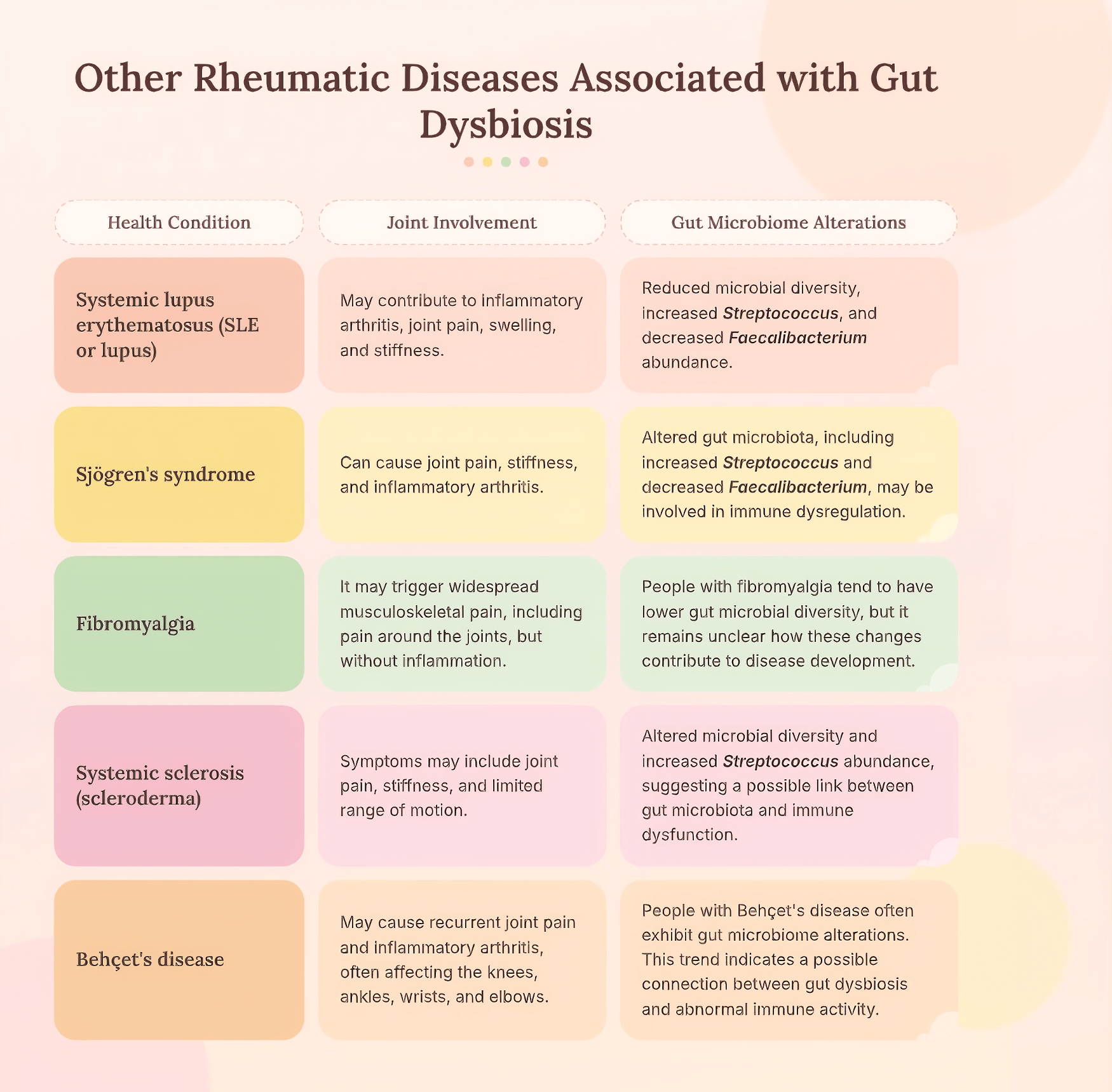
These findings suggest that the gut microbiome plays a much bigger role in joint health than previously thought. Changes in gut bacteria can influence immune function and inflammatory processes throughout the body, contributing to the development or progression of chronic diseases..
That’s one more reason to pay attention to the early signs of bad gut health, such as persistent bloating or changes in bowel habits. While these symptoms don’t necessarily point to an underlying inflammatory condition, ignoring them can have far-reaching consequences over time.
Gut Health and Everyday Joint Aches
Not all joint pain is due to arthritis, rheumatic disorders, or injuries. Sometimes, you may experience stiffness, aching, or discomfort for no obvious reason.
While these symptoms can have many causes, the gut microbiome and the inflammatory processes associated with gut dysbiosis may play a role.
The digestive and immune systems are closely connected. When there is inflammation in the gut, the immune response may affect the brain, skin, liver, pancreas, and joints through specific axes between the gut and non-gastrointestinal organ systems.
When that happens, joint pain may arise due to:
- Persistent gut inflammation: Inflammation doesn’t always remain confined to the digestive tract. Inflammatory signals can circulate throughout the body and reach joint tissues.
- Immune system dysregulation: The gut microbiome helps regulate immune activity. When that balance is disrupted, the immune system can overreact to harmless triggers, or even to your own healthy cells, and trigger inflammation.
- Changes in microbiome composition: An imbalance between beneficial and harmful bacteria can affect the production of substances involved in immune regulation. For example, low levels of short-chain fatty acids (SCFAs), especially butyrate, may weaken some of the gut’s natural anti-inflammatory defenses.
- Increased intestinal permeability: Disruptions to the intestinal barrier may allow bacterial components, such as lipopolysaccharides (LPS), to enter the bloodstream more easily. These substances can activate immune receptors and promote inflammation throughout the body.
- Altered gut–immune communication: The gut microbiome interacts with immune cells, influencing how they respond to threats. When this communication is disrupted, immune responses may become less controlled and cause inflammation beyond the digestive tract.
- Shared inflammatory pathways: Some immune signaling pathways involved in gut inflammation also play a role in joint inflammation. This overlap may explain why gut microbiome imbalances have been linked to several inflammatory and autoimmune joint conditions.
Let’s say you’re on a low-carb, high-protein diet and struggle to get enough fiber. Over time, eating too little fiber can alter the gut microbiome and reduce butyrate levels.
Butyrate serves as the primary energy source for colonocytes, the cells lining your colon. It also helps maintain the intestinal barrier and regulate immune function. Low levels are associated with reduced barrier integrity, increased gut inflammation, and digestive symptoms like bloating or changes in bowel habits.
If these changes persist, they may influence inflammatory processes beyond the GI tract. As discussed earlier, disturbances in the gut flora and intestinal barrier function may contribute to systemic inflammation, which can affect joint health.
The good news is, you can boost your fiber intake without adding more carbs to your diet. For example, nutritional yeast can add a savory, cheese-like flavor to salads, egg dishes, burgers, keto bread, and other meals or snacks. One serving has only 3 grams of carbohydrates.
If your diet allows for a moderate amount of carbs, consider swapping regular oats for oat bran. The latter boasts 50% more fiber and 36% fewer calories than traditional oatmeal.
Could Your Joint Pain Be Due to Poor Gut Health?
Joint pain can have many causes, from osteoarthritis and aging to injuries like a meniscus tear or tennis elbow. But if you regularly deal with bloating, gas, constipation, or diarrhea alongside joint discomfort, your gut may be part of the picture.
The gut and immune system are closely connected. Changes in the gut microbiome can influence immune function and inflammatory processes throughout the body, potentially affecting your joints.
Pay attention to recurring symptoms, especially if digestive discomfort and joint pain tend to flare up around the same time. Ongoing cramping, frequent or severe gas and bloating, heartburn, and changes in stool frequency, consistency, or appearance are all potential signs of bad gut health.
You may also notice:
- Sensitivities to foods you previously tolerated well
- Difficulty sleeping
- Persistent fatigue
- Brain fog
- Unexplained weight gain or weight loss
Most symptoms are nonspecific and don’t always indicate gut dysbiosis, let alone explain your joint pain. Still, they can be a reason to take better care of your digestive health.
One way to support your gut microbiome is through dietary changes. Start by eating more fiber-rich foods and incorporating sources of prebiotics and probiotics into your meals. At the same time, cut back on processed foods and aim for a wider variety of whole foods.
These changes may benefit both gut and joint health. In a 2026 study involving 117 people with knee osteoarthritis, participants who took 20 grams of inulin daily for six weeks experienced a significant reduction in joint pain, as well as lower pain sensitivity and improved grip strength. Inulin is a prebiotic fiber found in chicory root, which you can enjoy as chicory coffee.
The findings are encouraging, but it’s important to keep things in perspective.
Improving your gut health won’t reverse arthritis or eliminate other chronic causes of joint pain. Diet alone can’t do that. Still, it can be one part of a broader approach to keeping your joints healthy and maintaining an active lifestyle.
A Note About AI: Some images on Shape Your Energy are created with the help of AI, and I may occasionally use AI tools to refine parts of the text for clarity, flow, or readability.
The content itself is written by me, based on my professional knowledge, experience, research, and original ideas. I don't use AI to generate my articles or replace my own expertise and judgment. Any AI-assisted edits are reviewed and adapted by me before publication.
The Gut-Joint Connection FAQs
Common signs of bad gut health include ongoing abdominal discomfort, such as gas, bloating, stomach pain, and changes in bowel habits. You may also become sensitive to foods you once tolerated well.
Some symptoms seem unrelated to digestion. For example, you might experience recurrent headaches, sleep problems, fatigue, or mood swings. Skin problems like eczema, rashes, or breakouts may also be linked to gut microbial imbalances.
Occasional digestive discomfort is normal, but recurring or persistent symptoms may point to an underlying digestive problem or changes in the gut microbiome.
Gut dysbiosis may contribute to joint pain and inflammation in some people. The gut and joints communicate through immune and inflammatory pathways, often referred to as the gut-joint axis. Changes in gut bacteria and intestinal barrier function may trigger systemic inflammation, affecting joint tissues.
Potentially. The gut microbiome helps regulate immune activity. When the balance of gut bacteria is disrupted, inflammatory signals can spread beyond the digestive tract and affect other organs and tissues, including the joints.
Yes. Certain gastrointestinal infections can trigger reactive arthritis, an inflammatory condition that develops after the infection has cleared. Symptoms typically appear one to four weeks after food poisoning and may include painful or swollen joints, stiffness, and fatigue.
Some probiotic strains may help reduce inflammation and joint pain. Clinical research found that Lactobacillus casei, L. acidophilus, L. rhamnosus, Clostridium butyricum, and Streptococcus thermophiles may have beneficial effects on osteoarthritis-related inflammation and pain. For example, L. casei may lower certain pro-inflammatory cytokines while raising IL-10, an anti-inflammatory cytokine involved in immune regulation.
However, the evidence isn’t yet strong enough to recommend a particular strain for everyone with joint pain. Probiotics are worth considering as a complementary strategy alongside standard treatment, but they cannot replace medications or physical therapy.
Increased intestinal permeability, or "leaky gut," is one proposed mechanism linking gut health and joint inflammation. When the intestinal barrier becomes more permeable, bacterial components may pass into the bloodstream and trigger immune responses that affect the joints.
Antibiotics can alter the gut flora by killing both harmful and beneficial bacteria. They may also cause digestive problems, including diarrhea, bloating, and abdominal discomfort.
Some people report joint pain after antibiotic treatment, but this doesn't necessarily mean gut dysbiosis is to blame. Joint symptoms may have other causes, including an inflammatory response to the infection itself or, in some cases, reactive arthritis.
Possibly. Research suggests that supporting beneficial gut bacteria through diet, prebiotics, and probiotics may help reduce inflammation associated with certain joint conditions.
For example, a recent study found that probiotic and synbiotic supplementation reduced several inflammatory markers in people with rheumatoid arthritis. Experimental research also suggests that changes in the gut microbiome and increases in butyrate-producing bacteria may influence synovial inflammation and cartilage health.
Note that improving your gut bacteria won't necessarily relieve joint pain. The effects depend on the underlying cause of your symptoms, your overall health, and the specific dietary or microbial changes involved.
Not necessarily. Microbiome tests can identify some of the microorganisms present in a stool sample, but they can't reliably determine whether your gut microbiome is "healthy" or whether a specific imbalance is causing your joint pain.
If you suspect your symptoms are linked to poor gut health, cut back on foods that promote inflammation or negatively affect the gut microbiome. Common offenders include:
- Sugary foods and drinks
- Highly processed foods
- Fried foods
- Excessive alcohol
- Processed meats
- Some artificial sweeteners
According to clinical evidence, a high-fat, high-protein, and low-fat diet can alter gut microbiota diversity in as little as one day.
Yes, gut microbiome imbalances may contribute to knee pain, particularly in people with osteoarthritis. Certain bacterial patterns have been associated with greater pain severity and inflammation, although scientists are still working to understand this relationship.
Taking collagen supplements for joint pain may help reduce discomfort and improve joint function. Their effectiveness depends on the collagen type, dosage, product quality, and underlying cause of your symptoms.
Collagen provides amino acids needed to maintain cartilage and other connective tissues. In a 24-week study, 73 athletes took 10 grams of hydrolyzed collagen daily. After six months, they reported significantly less joint pain during activities like walking and running compared to the placebo group.
To reap the benefits, use hydrolyzed Type II collagen combined with zinc, vitamin C, and anti-inflammatory compounds like turmeric or devil’s claw. Alternatively, take turmeric or another natural anti-inflammatory supplement separately.


