
Fibermaxxing Is Trending, But Do You Really Need That Much Fiber?

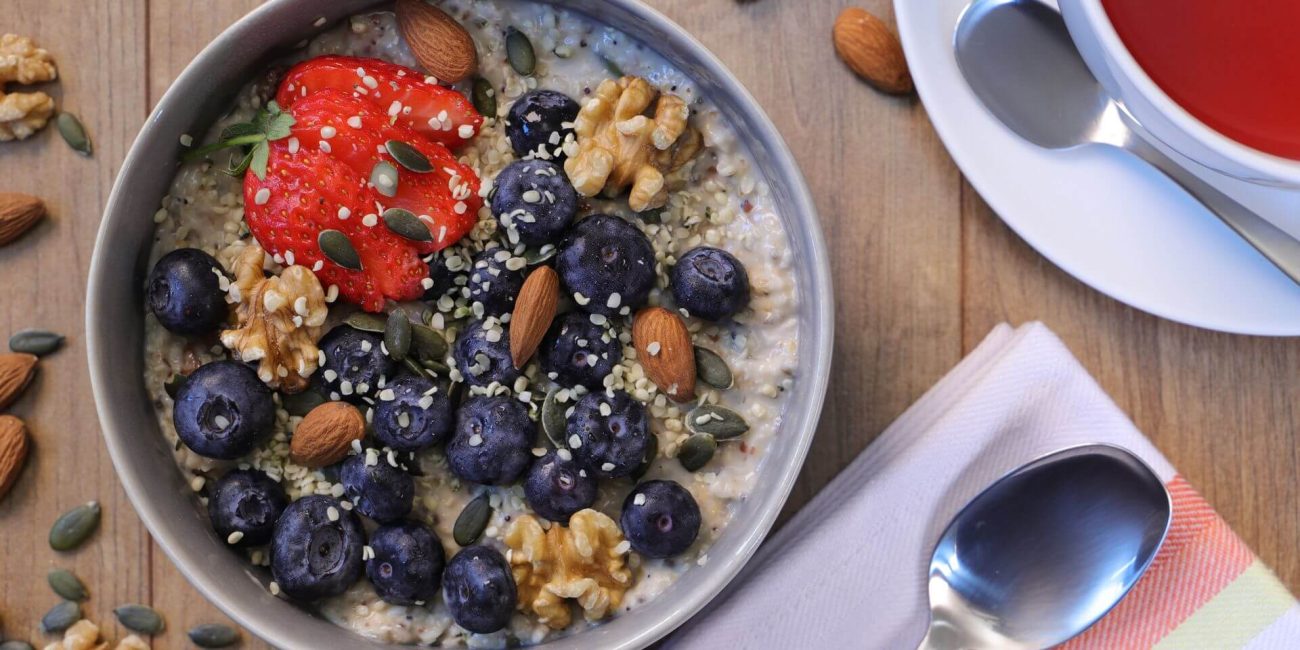
Oatmeal with berries and other high-fiber foods

Fibermaxxing,” a new diet trend, is taking social media by storm. Influencers on TikTok, Facebook, and beyond share creative ways to boost fiber intake, from eating banana peels to blending kiwi skin into smoothies. The intention is good, but more fiber doesn’t necessarily mean better health.

In fact, excess fiber can affect mineral absorption and cause digestive issues like bloating, gas, stomach pain, constipation, or diarrhea. And truth be told, you don’t have to eat copious amounts of fiber to reap the benefits. 

But how much fiber do you need? The answer isn’t “as much as possible.” It depends on your individual needs, how much fiber you’re currently eating, and how well your body tolerates it. And for most people, building a few consistent habits may be more useful than obsessing over a daily number.

Table of Contents
    Add a header to begin generating the table of contents

    What Is Fibermaxxing?

    As the name suggests, fibermaxxing means deliberately maximizing your fiber intake. This diet trend has spread like wildfire on social media, often framed as a cure-all for poor digestion, bloating, weight gain, high blood sugar, and more.

    There’s a grain of truth behind it. Only 5% of U.S. adults get enough fiber, and increasing your intake can have meaningful health benefits. But as with most social media trends, things tend to go to extremes—and fibermaxxing is no exception.

    Some advocates promote sensible habits, such as adding ground flaxseed to smoothies or salads. Others push questionable practices like:

    • Eating Metamucil powder straight from the container
    • Munching on kiwi skin, melon seeds, orange rinds, banana peels, or pineapple cores
    • Swallowing dry spoonfuls of chia seeds
    • Adding large amounts of psyllium husk, inulin, or wheat dextrin to shakes
    • Consuming meals made almost entirely from wheat bran, oat fiber, or raw cellulose powder

    For example, you might come across videos showing people mixing several scoops of psyllium husk with a small amount of water. They let it thicken into a dense gel and then eat it by the spoonful.

    Psyllium absorbs water and expands, which is part of what makes it effective. But that also means you need to consume it with adequate fluid.

    Clinical research suggests aiming for roughly 25 ml of water per gram of fiber, or about 500 ml (two cups) alongside 20 grams of fiber. Taking concentrated fiber without enough fluid increases the risk of choking and, in rare cases, bowel obstruction.

    Beyond these concerns, there’s no consensus on what qualifies as “maxxing.” Some folks push their daily fiber intake to 100 grams (3.5 oz) or more, well beyond the recommended 25 to 38 grams a day.

    How Much Fiber Do You Need?

    Health organizations recommend around 14 grams of fiber for every 1,000 calories consumed. So, if your diet provides 2,500 calories a day, aim for roughly 35 grams of fiber. 

    These numbers, however, are not set in stone. They vary by age, sex, and individual health needs. For most adults, 25 to 30 grams of fiber per day is a reasonable target, though some evidence suggests that intakes above 30 grams could be even more beneficial. 

    For reference, the average American consumes a mere 17 grams of fiber per day, according to 2022 research published in The BMJ. Average intakes across Europe tend to be somewhat higher, generally falling somewhere between 18 and 24 grams per day. In either case, that’s below the recommended range. 

    But how high should you go? 

    Gastroenterologist Stephen J. O’Keefe has proposed a target of around 50 grams per day, building on the work of surgeon Denis Parsons Burkitt, who linked low-fiber diets to increased rates of colon, liver, and breast cancers. Burkitt’s research also suggested that fiber-rich diets may lower the risk of cardiometabolic, infectious, and respiratory diseases.

    O’Keefe argues that higher fiber intake supports the production of gut-derived metabolites that help maintain colonic health and could reduce cancer risk. He also states that consuming more fiber may extend lifespan and improve quality of life

    So, how much fiber do you need—25 grams, 30 grams, or 50 grams? And does it ever make sense to go even higher? The answer isn’t black and white. Here’s why.

    How Much Fiber Is Too Much?

    There’s no official upper limit for daily fiber, but generally, consuming more than 50 to 60 grams per day can cause digestive distress. Bloating, gas, diarrhea, constipation, and other GI symptoms are more likely if:

    • You increase your fiber intake suddenly 
    • You consume large amounts of fiber in one sitting
    • You don’t drink enough fluids
    • You have a digestive condition, such as IBS or IBD 

    For example, irritable bowel syndrome with constipation (IBS-C) is managed through dietary and lifestyle changes, which may include increasing fiber. But, as the Canadian Digestive Health Foundation notes, adding more fiber to an IBS-C diet can actually worsen bloating and gas. 

    Plus, not all types of fiber are good for individuals with IBS. Garlic, onions, legumes, green bananas, and other foods contain soluble fibers that ferment in the GI tract, triggering pain, bloating, gas, and abdominal discomfort. 

    But how much fiber do you need if you don’t have a medical reason to restrict your intake? 

    A good starting point is the recommended 14 grams per 1,000 calories consumed. Increase your fiber intake gradually, see how your body responds, and adjust as needed. With this approach, you’ll be better able to figure out the optimal amount while avoiding digestive issues. 

    Too Much Fiber Can Make Constipation Worse

    High-fiber diets may actually worsen constipation, per a 2012 study conducted on 63 patients. Subjects who stopped or reduced dietary fiber experienced significant improvement, while those who continued to follow a fiber-rich diet saw no changes.

    • Bloating: Participants on a high‑fiber diet remained symptomatic. Only 31.3% of the reduced‑fiber group still had bloating, and none of the no‑fiber group did.
    • Straining: All participants who eliminated fiber no longer had to strain during a bowel movement. Seven of 16 participants in the reduced-fiber group showed improvement, too, while the symptoms remained unchanged in the high-fiber group.
    • Abdominal pain: This symptom has subsided only in patients who stopped fiber completely. Those who continued on a high-fiber diet or reduced-fiber diet did not show any reduction in pain. 
    • Anal bleeding: Patients who stopped fiber had no further bleeding, while symptoms persisted in the other groups.

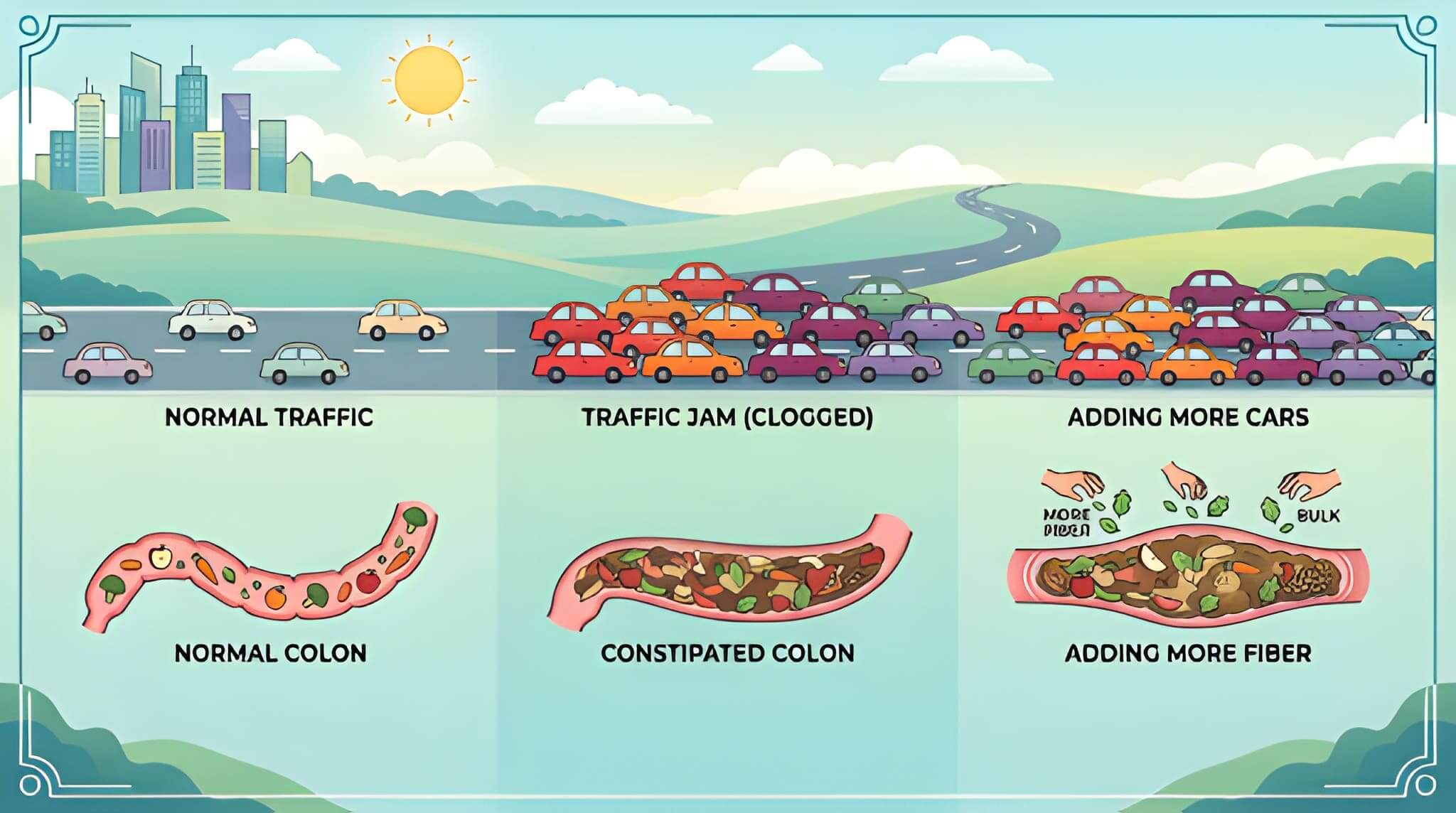
    The researchers compared constipation to a traffic jam. If the roads are already clogged, adding more cars only worsens congestion. Similarly, when the colon is already packed with stool, adding more fiber may increase bulk without making evacuation any easier.

    These findings don’t imply that fiber is bad for constipation—or that everyone with digestive problems should avoid it. What they show is why fibermaxxing and the blanket advice to “just eat more fiber” aren’t always right. 

    The type and amount of fiber, your underlying digestive health, and how your body responds all matter more than hitting a specific number.

    Excess Fiber May Cause Mineral Deficiencies

    Very high-fiber diets can affect the absorption of certain minerals, including calcium, iron, zinc, and phosphorus. Fiber binds to minerals, carrying them out of your body before the gut can absorb them. Whole grains and other high-fiber foods also contain phytic acid, or phytate, which can further reduce mineral absorption. 

    A 2009 study published in Diabetes Care compared a high-fiber diet with a moderate-fiber diet in people with type 2 diabetes. One group consumed 50 grams of fiber per day, while the other consumed 24 grams. 

    After six weeks, the high-fiber group had slightly lower calcium and phosphorus absorption—and that’s at 50 grams a day, a level some fibermaxxing advocates treat as a baseline rather than an upper limit. Push intake to 70, 80, or 100+ grams, and the effect on mineral absorption may be even more pronounced.

    The solution? Rather than trying to maximize fiber at any cost, build your intake around foods that deliver fiber alongside other nutrients. Good options include:

    • Beans and lentils: fiber, protein, iron, magnesium, and potassium
    • Chia and flax seeds: fiber, magnesium, calcium, and healthy fats
    • Almonds and other nuts: fiber, magnesium, and good fats
    • Oats: fiber, magnesium, iron, and other micronutrients
    • Leafy greens: fiber, calcium, folate, and vitamin K
    • Broccoli and other cruciferous veggies: fiber, vitamin C, folate, and potassium
    • Berries: fiber and polyphenols
    • Whole grains: fiber, magnesium, iron, and B vitamins

    Another good source of fiber is nutritional yeast. It has a savory, Parmesan-like flavor and boasts around 22 grams of fiber and 56 grams of plant-based protein per 3.5 ounces (100 grams). Sprinkle it over salads, vegetables, eggs, or grain bowls to enrich your diet and support digestive health. 

    As for phytic acid, many phytate-containing foods are very nutritious. Cooking, soaking, sprouting, fermenting, or processing can reduce phytate levels and improve mineral availability.

    Very High-Fiber Diets Could Raise Cancer Risk

    Even if you tolerate large amounts of fiber, that doesn’t mean you should up your intake. As the saying goes, you can have too much of a good thing—and the research confirms it. 

    According to recent evidence published in the journal Gastroenterology, diets high in soluble fiber can raise the risk of colorectal cancer in mice. Similarly, an earlier study showed that adding wheat bran to the diet increased colorectal tumor formation more than threefold in rats exposed to a carcinogen.

    Human data is more mixed. In one cohort study, women with the highest vegetable fiber intake had a 35% greater risk of colon cancer than those with the lowest intake—though as an observational study, it can’t establish that fiber caused the increased risk.

    A 1994 study of nearly 50,000 men found no clear association between fiber or vegetable intake and colon cancer risk, adding to the inconsistency in the research.

    What’s more, a review featured in the World Journal of Gastroenterology points out that higher fiber intakes are unlikely to help with chronic constipation, IBS, or colorectal diseases. As the authors note, “The only benefits of fiber in the diet are in cases of diabetes mellitus and hyperlipidemia due to its anti-nutritive effect.” 

    Quick note: These findings are controversial, and the research on very high fiber intakes remains mixed. So, when thinking about how much fiber you need, don’t assume more is automatically better. Your overall diet, the types of fiber you eat, your digestive health, and your individual tolerance all come into play.

    Counting Every Gram of Fiber Isn't Realistic—or Necessary

    Dietary guidelines are useful benchmarks, but that doesn’t mean you need to track every gram of fiber you eat. For most people, doing so is unrealistic and unnecessary unless they’re trying to manage specific GI symptoms or following a strict diet.

    What matters most is consistency. Do you eat high-fiber foods on most days? Are you getting fiber from various sources rather than relying on a single supplement or “fiber hack”?

    That’s a far more realistic approach than counting grams.how much fiber should you have a day Think of it less like a math problem and more like a habit: build meals around whole, fiber-rich foods, and the numbers will take care of themselves.

    If you’re curious about where you currently stand, track your intake for a couple of days. Pay attention to how your body feels, then increase or reduce the amount of fiber consumed. 

    Also, consider the other properties of high-fiber foods, not just their fiber content. 

    Cruciferous veggies like cabbage and broccoli, for example, are loaded with fiber but also contain sulfur compounds that can cause gas and bloating. If your gut doesn’t tolerate them well, there’s no reason to force them into your diet just because they’re high in fiber. Try another source that agrees with you better.

    I’m a nutritionist, and I don’t track my fiber intake either. I’ve simply made a habit of including fiber-rich foods at lunch and as a snack. I don’t eat breakfast, but if you do, that’s another opportunity to add some fiber. 

    My dinners tend to be high in protein and low in carbs, so they don’t contribute much fiber. That’s what works for me. If you prefer a more complete evening meal, there’s nothing wrong with filling up on vegetables, legumes, or other fiber-rich foods.

    Stop trying to hit 30 grams with mathematical precision every day. Instead, focus on developing eating habits that consistently give your body enough fiber—and adjust them when something isn’t working.

    Easy Ways to Get More Fiber Without Overthinking It

    You don’t need to overhaul your diet or start weighing every ingredient to hit your fiber goals. And forget fibermaxxing—going overboard can backfire and cause a slew of digestive issues. 

    For starters, add a few fiber-rich foods to each meal. Beans, lentils, green peas, quinoa, pears, apples, chia seeds, and veggies are all excellent choices. 

    Following a low-carb diet? Fill up on leafy greens or incorporate nutritional yeast, psyllium husk, and nuts into your menu. Avocado works well, too. One large fruit has around 13.5 grams of fiber and fewer than 4 grams of net carbs.

    That said, here are some simple ways to boost your fiber intake without obsessing over numbers:

    • Keep the skin on: Apples, potatoes, and cucumbers lose fiber when peeled. Eat them as-is when you can.
    • Rethink your snacks: Swap processed snacks for nuts, seeds, or fruit. Craving chips? Try popcorn, vegetable chips, or rice cakes. If you’re craving something sweet, try a trail mix with nuts and dried fruit.
    • Try oat bran instead of oatmeal: Oat bran has 50% more fiber and 36% fewer calories than regular oats. Use it in porridge, smoothies, pancakes, muffins, or baked goods.
    • Add veggies to every meal: Roasted broccoli, grated carrots, tomatoes in a sandwich, or spinach in an omelet all contribute to your fiber intake. 
    • Choose whole grains more often: Swap white bread for whole-grain bread, oat bran for breakfast cereals, or brown rice, barley, and quinoa for white rice.
    • Keep beans and lentils on hand: Add beans or lentils to soups, salads, stews, wraps, pasta dishes, and grain bowls. In addition to fiber, they pack a hefty amount of protein. 
    • Level up your meals: Chia seeds, ground flax, nuts, seeds, and nutritional yeast can add fiber to what you normally eat. Having chicken and baked potatoes for lunch? Sprinkle some nutritional yeast over the potatoes for extra flavor, protein, and fiber. Go one step further and replace part of the white flour with ground flaxseed or oat flour in pancakes, muffins, cookies, and cakes.
    • Get creative in the kitchen: Seek ways to give your favorite dishes a nutritional upgrade. A good example is this three-ingredient vegan parmesan made with nutritional yeast, hemp seeds, and sesame seeds. Use it as a topping or seasoning after cooking for a fiber boost. 
    • Stir in some psyllium husk: One tablespoon of psyllium husk delivers 7 grams of fiber and just 1 gram of net carbs. Mix it into smoothies, protein shakes, or hot cocoa to make them more filling and nutritious. 
    • Check the nutrition label: Whether it’s bread, protein bars, ready-made meals, or snacks, look for the version highest in fiber. I usually look for products that provide a decent amount of both protein and fiber. 
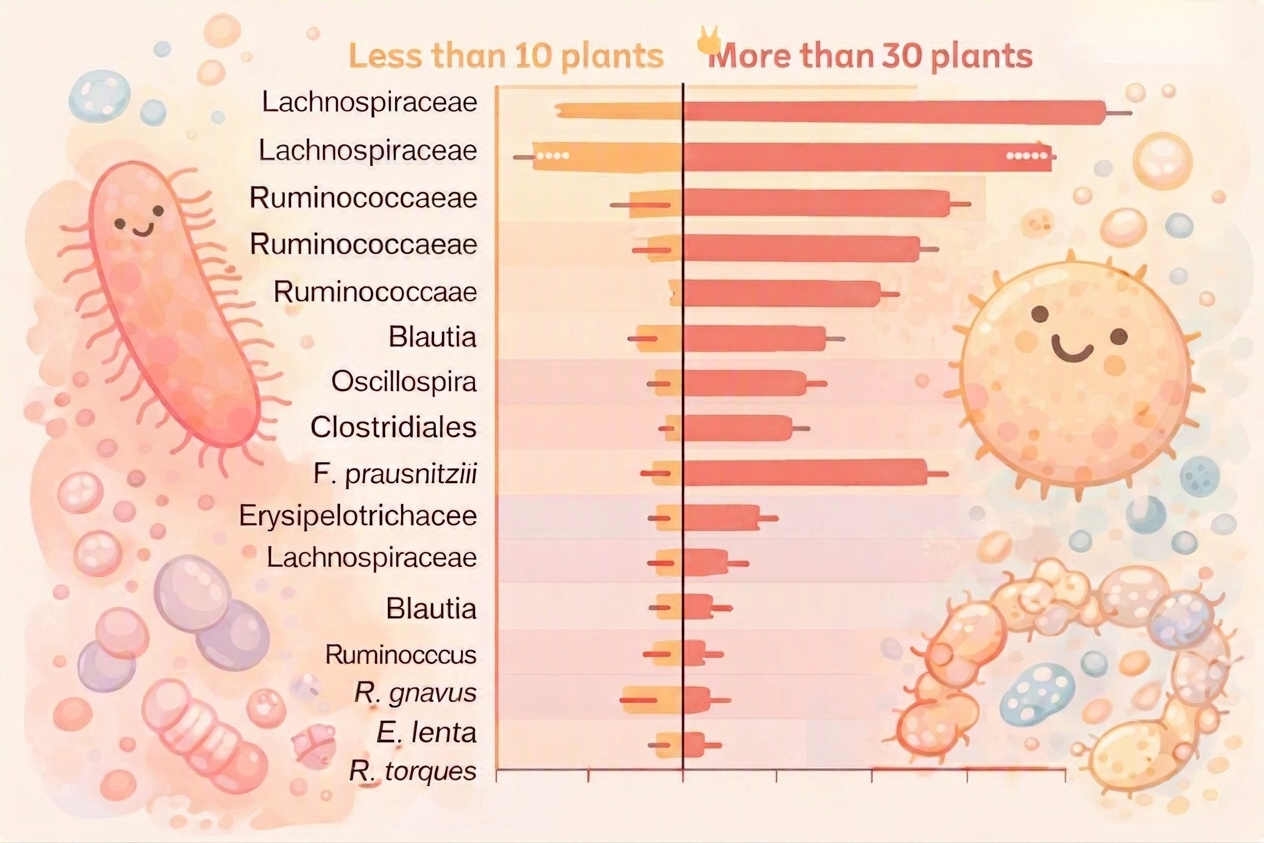
    Fiber and gut health☝️ Last but not least, get your fiber from a variety of foods.

    A 2018 study found that people who ate more than 30 different plant foods per week had a more diverse gut microbiome than those who ate fewer than 10. Their microbiomes also contained more bacterial species capable of producing metabolites with potentially beneficial effects.

    These findings are particularly relevant if you’re on a strict diet. For instance, ketogenic diets don’t leave much room for high-fiber foods, and many followers rely on leafy greens and fiber supplements. 

    But with a little planning, it’s entirely possible to eat low‑carb and high‑fiber. Think avocado, berries, chia seeds, flaxseeds, asparagus, celery, nuts, cruciferous vegetables, and more.

    The Real "Max" in Fibermaxxing Is Knowing Your Limits

    Fibermaxxing isn’t inherently dangerous. The problem is the “max” part, which leaves room for interpretation. Many proponents push that upper limit to a point where it can take a toll on your health, both immediately and over time.

    So, how much fiber do you need? The honest answer is: enough to feel good without obsessing over an exact number. 

    At the end of the day, a healthy lifestyle means more than just maximizing one macronutrient. What truly matters from a nutritional standpoint is your overall diet and eating habits. You can hit your fiber “goal” and still fall short on protein, vitamins, or minerals your body needs just as much.

    Consider someone following a carnivore diet. Their meals consist entirely of meat, fish, eggs, and other animal foods, and they turn to fiber supplements for gut health—hitting 40, 50, or even 70 grams a day. But fiber alone can’t replace the carotenoids, flavonoids, non-heme iron, boron, and other nutrients found exclusively in plant foods.

    That doesn’t mean you shouldn’t work on increasing your fiber intake. In fact, that’s exactly what you should do if your current intake is too low. What matters is letting go of rigid targets and focusing on eating a variety of high‑fiber foods with most meals.

    Fibermaxxing FAQs

    Fibermaxxing is a social media trend centered on increasing fiber intake through high-fiber foods or supplements. For some people, it simply means trying to meet the recommended daily amount. For others, it involves deliberately consuming 70–80+ grams of fiber per day, far beyond typical guidelines.

    Most adults need around 25 to 30 grams of fiber per day, though the right amount depends on your age, sex, calorie intake, and overall health. Ideally, aim for approximately 14 grams of fiber for every 1,000 calories consumed. 

    Not necessarily. There's no official upper limit for fiber, and some people tolerate 50 grams without problems. However, consuming that much doesn't provide additional benefits. Your overall diet and how well your gut tolerates fiber matter more than hitting a specific number.

    From a nutritional standpoint, there’s no reason to eat that much fiber. At around 100 grams per day, most people will experience digestive issues like bloating, gas, constipation, or diarrhea. Extremely high fiber intake can also make you feel full too quickly, leading to undereating and nutrient deficiencies.

    Psyllium husk and other fiber supplements can improve digestion, glycemic control, and blood lipids, but they are not necessary for everyone. They're most useful when your diet doesn't provide enough fiber. Taking supplements just to "max out" your intake is pretty much pointless. 

    High-fiber foods often contain protein, complex carbs, healthy fats, and micronutrients that support overall health. Fiber supplements, on the other hand, only contain fiber and, sometimes, probiotics. Some also have added sugar, artificial sweeteners, and other additives that may not be safe in the long run.  Think food first, supplements second.

    Aim for at least 50 ounces (about 1.5 liters) of water a day when increasing your fiber intake. Fiber without enough fluid can cause or worsen constipation, bloating, and stomach pain.

    Yes, fiber can cause constipation, especially if you increase your intake too quickly or don't drink enough water. This is also more likely in people with chronic constipation, whose digestive systems are already backed up and don't benefit from added bulk.

    Sometimes. A sudden increase in fiber intake, particularly certain highly fermentable fibers, can trigger diarrhea, gas, or abdominal discomfort. The effect depends on the type and amount of fiber, your gut health, and how accustomed you are to eating it.

    While there's no upper limit for fiber, very high intakes can cause gas, bloating, nausea, and other digestive symptoms. You may also get full too quickly and eat less, which can lead to nutrient deficiencies.

    Dietary fiber slows digestion and promotes fullness, making it easier to control your food intake. However, it doesn't directly impact your metabolism or body fat percentage. 

    No, you shouldn't. If you're already getting enough fiber and feel good, there's no reason to push your intake because of a trend. Instead, focus on diversifying your fiber sources and eating healthier overall. 

    A low-fiber diet may benefit people with Crohn’s disease, ulcerative colitis, IBS, diverticulitis, or bowel obstruction. It's also necessary before a colonoscopy, after recent intestinal surgery, or when adjusting to a new colostomy or ileostomy.

    You can get plenty of fiber while keeping your carb intake low. If you're on a ketogenic or low-carb diet, fill up on avocado, nuts, chia seeds, flaxseeds, cruciferous veggies, and leafy greens. Strawberries and other berries will work, too, as they contain few carbs and a decent amount of fiber. 

    Eat simple. Move smart. Recover better.

    Let me help you shape your energy. Together, we’ll create a personalized training, nutrition, and lifestyle plan tailored to your body and goals.
    Scroll to Top
    0%