
Oat Bran: A Higher-Fiber, Lower-Calorie Alternative to Oatmeal

-
Andra Picincu
Do you normally start your day with a large bowl of oatmeal? That’s good, but you can do even better. Substitute oat bran for oatmeal to get 50% more fiber, 22% more potassium, and 36% fewer calories. The latter is also higher in protein, thiamin, cystine, valine, and other key nutrients. Not bad for a simple switch.
But what is oat bran, and how do you eat it? In short, it’s the outer layer of the oat groat—the part closest to the husk—and it cooks up just like crushed, rolled, or steel-cut oats. Its fine texture makes it ideal as a flour substitute in cookies, cakes, and other homemade desserts, adding creaminess and consistency.
Ounce for ounce, oat bran is more nutritious than traditional oatmeal and can be used in a larger variety of recipes. Here’s why it deserves a place in your pantry.
What Is Oat Bran?
Rolled oats, instant oats, and steel‑cut oats all come from the whole oat groat. Oat bran, on the other hand, is the outer layer of the groat, the fiber-rich shell that gets removed during processing. Same grain, different part.
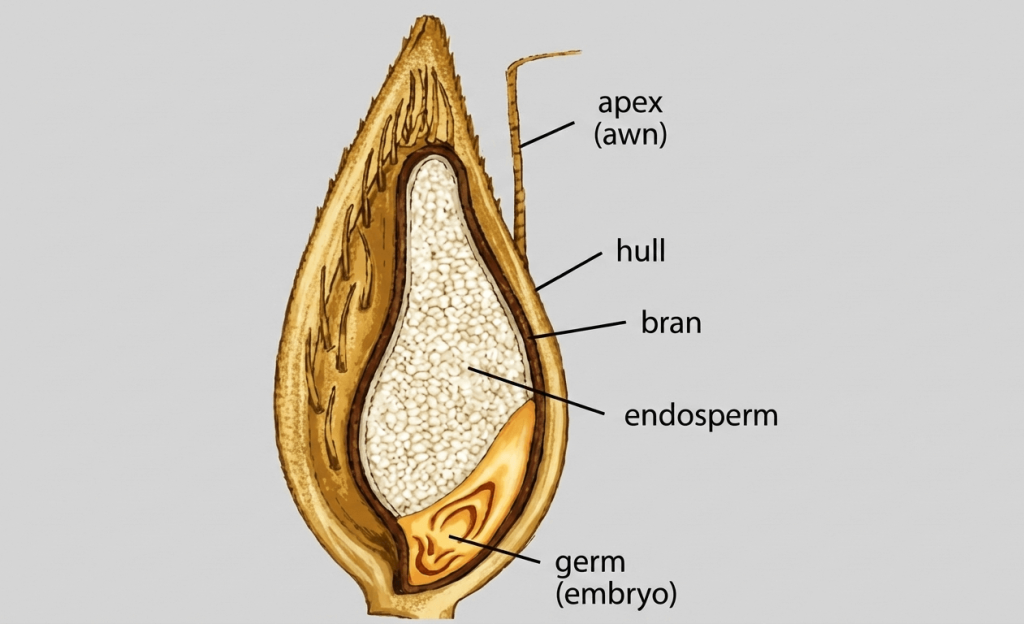
Put simply, oat bran is a byproduct of oat grain processing. It contains 15–18% protein, 5–10% fat, and up to 40% dietary fiber.
Most notably, it’s rich in beta-glucan (5–10%), a soluble fiber with antioxidant, cardioprotective, and hypoglycemic effects.
From a culinary standpoint, the bran has a mild, slightly nutty flavor—similar to regular oats, but deeper and less sweet. Its fine texture cooks into a creamy, full-bodied consistency that thickens quickly, making it ideal for smooth, porridge-like dishes.
How Does Oat Bran Differ from Oatmeal?
While both oat bran and oats pack a hefty nutritional punch, oat bran is higher in fiber, magnesium, calcium, phosphorus, and some B vitamins. It also has slightly more protein, though the difference is negligible.
Here’s how they compare side by side:

Take phosphorus, for example. This mineral plays a key role in energy production, gene transcription, bone development, and other processes. Inadequate intake can raise the risk of osteomalacia, anemia, infections, and rickets.
Oat bran is naturally high in phosphorus, supplying about 60% of the recommended daily intake per 3.5 ounces. By comparison, whole oats provide a little over 40%.
The bran also boasts large amounts of thiamin, a B vitamin that supports energy metabolism. Your body needs it to fight oxidative stress, repair DNA damage, and maintain cellular health.
According to recent evidence, the recommended daily intake for thiamine (1.29 mg/day) is too low to be effective. As a result, mild deficiencies appear to be more common than previously assumed, causing non‑specific symptoms like persistent fatigue, mood changes, brain fog, poor sleep, and digestive discomfort.
When thiamine levels remain low over time, they may contribute to broader health problems, such as heart disease and type II diabetes. Individuals who don’t get enough of this vitamin are also more likely to experience depression and other mental health issues.
A 3.5-ounce serving of oat bran delivers close to 100% of the daily value for thiamin. Factor in what you’re getting from other foods, and the risk of deficiency decreases significantly.
Oat Bran vs. Oatmeal: Taste, Texture, and Cooking Time
Having a busy morning? Oat bran might be your best bet (or you could try these quick high-protein pancakes with no sugar or flour 😉).
It cooks in just 2-3 minutes—as fast as instant oats and much quicker than steel-cut or rolled varieties. Plus, it has a creamier texture and a sweeter, more pronounced flavor than traditional oatmeal, making it both delicious and convenient when you’re short on time.
For a stronger flavor, toast the oat bran in the oven or on the stovetop before incorporating it into dishes. This extra step will bring out its nutty aroma while filling your kitchen with a wonderful fragrance.
Health and Nutrition Benefits of Oat Bran
I first heard of oat bran around 2012-2013 when I came across Pauline Nordin’s website. She’s the fitness pro behind the Fighter Diet—an eating plan focused on high-volume, low-GI foods and plenty of protein. Though Pauline has largely stayed out of the public eye over the past decade, her nutrition philosophy influenced many in the fitness community.
What drew me to oat bran was its high fiber content and low calorie count. After digging deeper, I made the switch from regular oats—and I haven’t looked back. To this day, I recommend it to all my clients.
When it comes to oat bran vs. oatmeal, both offer similar benefits: improved cardiovascular health, better digestion, lower blood sugar levels, and lasting satiety.
But oat bran is more nutrient-dense, delivering higher amounts of fiber, protein, and minerals like phosphorus and magnesium in every serving—all with fewer calories than regular oats or other whole grains. Its nutritional profile makes it particularly good for digestive health, blood sugar control, and weight management.
That said, let’s break down the key benefits of oat bran.
Promotes Gut Health
A 1.9-ounce serving of oat bran provides 3 grams of beta-glucan—you’d need 2.6 ounces of whole oats to get the same amount. According to a 2021 review published in Nutrients, most adults struggle to consistently reach this level of beta‑glucan in their daily diet. Oat bran makes it easier to hit that target without oversized portions.
As I explained in my guide to nutritional yeast, beta-glucan feeds beneficial gut bacteria while helping keep harmful microbes from multiplying. It resists digestive enzymes, so it passes through your stomach intact, shaping which bacteria thrive and what metabolic byproducts they produce.
Since the gut flora directly influences immunity, metabolism, appetite, and digestion, a diet rich in beta-glucan can improve health across all these areas. For example, recent research published in The Microbe found that oat beta-glucans increase satiety, suppress hunger, and reduce overall food intake.
Facilitates Fat Loss
Upon ingestion, beta-glucan forms a gel-like substance in the GI tract. As a result, it slows gastric emptying and fills you up, making it easier to control your food intake.
But that’s not all.
Oat beta-glucan also influences the gut bacteria that help regulate bile acid metabolism and produce short-chain fatty acids. Both of these processes play a role in cholesterol balance and fat storage, notes a 2023 review featured in Physiological Research.
Additionally, the starch and fiber in oat bran can impact body weight through several mechanisms. These nutrients:
- Convert white adipose tissue into brown fat, which burns energy to generate heat
- Suppress the production of molecules responsible for lipid synthesis
- Help populate the gut with good bacteria that support metabolic health
- Slow sugar absorption into the bloodstream, ensuring steady energy and better appetite control
According to the above study, oats also contain vitamins and antioxidants with anti-obesity effects.
These compounds can reduce inflammation and oxidative stress in fat tissue, which may help regulate how your body stores and burns fat. However, more research is needed to confirm it.
Improves Glycemic Control
The starch in oat bran digests slowly, preventing blood sugar spikes after a meal. This effect is amplified by beta-glucan, which reduces the speed of glucose absorption into your system.
In one study, subjects who consumed a mixture of oat bran and water before eating white bread (which has a high glycemic index) had significantly lower blood sugar levels compared to when they skipped the oat bran mixture.
Scientists attribute the results to beta-glucan. This soluble fiber can decrease postprandial glycemia in doses of 4 grams or less for every 30 grams of carbs consumed per meal.
Hundreds of other studies report similar findings.
For example, in a clinical trial, researchers gave 12 people with type II diabetes oat bran flour after they consumed a glucose solution. Oat bran flour reduced their post-meal blood sugar levels by 1.6 mmol/L at 30 minutes and 1.5 mmol/L at 45 minutes after the glucose load.
The benefits of oat bran are cumulative, suggests an earlier study conducted over two 12-week periods.
When subjects with type II diabetes consumed oat bran daily, their cholesterol, insulin, and blood sugar levels improved more than when they ate 19 grams of fiber per day from white bread.
The bottom line?
Adding oat bran to your meals can help keep your blood sugar steady and reduce the spikes that leave you feeling tired or hungry soon after eating. For anyone managing diabetes or trying to maintain stable energy throughout the day, this habit can make all the difference.
May Prevent Constipation
Constipation is more common than you might think, affecting up to one in six people, but that doesn’t mean you should just learn to live with it.
High-fiber foods like nutritional yeast, chia seeds, lentils, and oat bran can help prevent or alleviate this ailment while improving digestive health. Not only do they balance gut flora, but they also stimulate peristalsis (the muscle contractions that move food through your GI tract), making it easier to stay regular.
In a clinical trial, researchers asked 15 nursing home residents aged 57 to 100 to consume oat bran for three months. The study participants had chronic constipation and were using laxatives prior to the experiment.
After 12 weeks, 59% of those who consumed oat bran were able to discontinue laxative use. The control group saw no such improvement, according to the Annals of Nutrition and Metabolism.
May Protect Against Colorectal Cancer
Both oat bran and oats may lower your risk of colon cancer, not just because of their fiber content but also due to a class of polyphenols called avenanthramides.
These antioxidants can slow the growth of colon cancer cells and reduce inflammatory activity in immune cells without harming healthy colon tissue. Their protective effect seems to work through multiple pathways.

One study found that avenanthramide C can prompt colorectal cancer cells to enter a dormant state called cellular senescence, where they stop dividing. It does so by suppressing a particular microRNA pathway that tumors normally rely on to grow.
In lab tests, avenanthramide C changed the shape of cancer cells, slowed their growth, and triggered genetic signals that halt the cell cycle.
Avenanthramide A, another form of this antioxidant, works through a different mechanism. It can bind to and inhibit a cancer-associated protein called DDX3, disrupting its energy production and increasing oxidative stress. Basically, it pushes cancer cells toward programmed death while leaving healthy cells largely unharmed.
To be clear, eating oat bran alone won’t automatically protect you from colon cancer. But as part of a balanced diet, it may lower your risk and support overall health. It’s just one evidence-based strategy among many.
Supports Cardiovascular Health
Need one reason to start eating oat bran? Your heart will thank you.
In clinical trials, cereal bran has been shown to reduce blood pressure, triglycerides, fasting blood glucose, and cholesterol levels. Oat bran proved particularly effective, improving blood lipids and blood pressure in people with obesity or hypertension.
These beneficial effects are largely due to soluble fiber. However, oat bran also contains antioxidants that fight inflammation and protect your heart from oxidative stress, which can further boost cardiovascular health.
Are There Any Drawbacks?
Like other high-fiber foods, oat bran may cause bloating, diarrhea, and stomach pain when consumed in excess. There’s also a risk of constipation if you don’t drink enough water. However, these side effects are fairly rare.
For instance, a 2020 study on patients with ulcerative colitis found that adding large amounts of oat bran to their diet didn’t increase abdominal discomfort or cause them to drop out.
In fact, 70% of participants in the high-fiber oat bran group completed the study—nearly identical to the 75% completion rate in the low-fiber control group.
My advice?
If your current diet is low in fiber, increase your intake gradually. Start with two tablespoons (around 1 oz) of oat bran per day, then slowly work your way up to 5 ounces (150 g).
In most studies, 2 to 5 ounces of oat bran containing 3.6-10 grams of beta-glucan proved most effective at reducing cholesterol. But even smaller amounts, as low as 1.3 ounces, can help lower blood sugar in people with diabetes.
And don’t forget to drink plenty of water. As a rule of thumb, aim for at least a half liter (about two cups) of water for every 10 grams of fiber you consume.
How to Boost Your Fiber Intake with Oat Bran
Oat bran is a great choice for both sweet and savory dishes and takes minutes to cook. Remember—even a tablespoon or two mixed into yogurt, smoothies, porridge, or sprinkled over meals can make a big difference.
For starters, use oat bran the same way you’d use regular oats. Alternatively, stir it into your morning oatmeal or porridge and serve with berries, cinnamon, or banana slices.
Feeling like cooking? Swap a few tablespoons of flour for oat bran in muffins, pancakes, banana bread, or cookies.
💡 You can also replace flour entirely with oat bran, but you’ll need to add extra eggs or another binder to hold everything together. Oat bran doesn’t contain gluten, which normally gives baked goods structure.
Here are some other ways to incorporate oat bran into your meals:
- Add it to soups, salads, or stews
- Mix it with hot water or milk, add toppings, and cook for 2-3 minutes
- Stir oat bran into scrambled eggs, frittatas, or omelets
- Combine it with spices, then use it to coat chicken, tofu, or veggies
- Blend it with nut butter, dates, cocoa, or seeds for an energizing no‑bake snack
- Stir it into hot cocoa for a comforting and filling drink
- Use oat bran instead of breadcrumbs in meatballs and burgers
- Mix it into vegetable or potato pancake batter
- Combine it with grains, herbs, and spices as a stuffing for peppers or mushrooms
⚠️ Note that some oat bran cereals contain added sugar, high fructose corn syrup, caramelized nuts, or candied dried fruit. Skip these.
Instead, look for plain oat bran or varieties mixed with raw nuts and unsweetened dried fruit.
Ready to Give Oat Bran a Try?
If someone had asked me, “What is oat bran?” over a decade ago, I would have shrugged. Now? I’d tell them it’s the outer shell of the oat grain and one of the best-kept secrets in nutrition.
It cooks faster than oatmeal, packs more fiber and minerals, and can benefit your heart, gut, and metabolism. It’s not a superfood or a miracle cure, but a simple ingredient that makes healthy eating easier.
Give oat bran a try—you might wonder why you didn’t make the switch sooner!
A Note About AI: Some images on Shape Your Energy are created with the help of AI, and I may occasionally use AI tools to refine parts of the text for clarity, flow, or readability.
The content itself is written by me, based on my professional knowledge, experience, research, and original ideas. I don't use AI to generate my articles or replace my own expertise and judgment. Any AI-assisted edits are reviewed and adapted by me before publication.
Oat Bran FAQs
Oat bran is the outer layer of the oat groat. This fiber-rich shell surrounds the inner grain and is separated from it during the milling process.
No, oat bran and oatmeal are not the same. Oatmeal is made from the whole oat groat (flattened, cut, or ground), while oat bran is just the outer layer. Oat bran has a different nutritional profile than regular oats, offering more fiber, minerals, and B vitamins.
Oat bran has a mild, slightly nutty flavor similar to regular oats but a bit deeper and less sweet. When cooked, it develops a creamy, smooth texture that's softer and less chewy than traditional oatmeal.
Yes, oat bran facilitates weight loss and makes it easier to keep the pounds off. Due to its high fiber content, it fills you up quickly and increases satiety between meals. It's also lower in calories than regular oats and other grains, which can further aid in weight management.
Yes, oat bran can help lower cholesterol levels. It's rich in beta-glucan, a soluble fiber that has been shown to reduce LDL (the "bad") cholesterol when consumed regularly as part of a balanced diet.
Oat bran has both immediate and long-term benefits, including improved heart health, lower cholesterol, and better blood sugar control. It also suppresses appetite and can aid in weight loss while improving digestive function.
Additionally, clinical research suggests that oat bran may protect against colorectal cancer. This effect is attributed to its high fiber and antioxidant content.
The easiest way to cook oat bran is to soak it in water or milk (aim for a 1:2 or 1:3 ratio), bring it to a boil, then reduce the heat and simmer for 2-3 minutes while stirring occasionally. It cooks much faster than steel-cut or rolled oats.
Alternatively, mix it into baked goods, smoothies, yogurt, or savory dishes. You can also add oat bran to soups, stews, protein shakes, and raw desserts, such as no-bake energy balls or homemade protein bars.
The answer depends on your health goals. If you're trying to bring your cholesterol levels down, aim for two to five ounces of oat bran per day. To lower your blood sugar, consume at least 1.3 ounces daily.
Since oat bran is high in fiber, increase your intake gradually and drink plenty of water to avoid digestive discomfort. Start with two tablespoons (around 1 oz) per day and slowly work your way up to 5 ounces (150 g).
Not only is oat bran safe for people with diabetes, but it can also improve their symptoms and help reduce complications. This grain has a low glycemic index and contains beta-glucan, a soluble fiber that slows glucose absorption and helps stabilize postprandial insulin and blood sugar levels.
Oats are naturally gluten-free but can be cross-contaminated during processing. If you have celiac disease or gluten sensitivity, choose certified gluten-free oat bran.
Oat bran may contain oxalates, but in lower amounts compared to many other grains. Depending on the brand and processing method, some varieties contain little to no oxalates. This makes it suitable for people who need to follow a low-oxalate diet, such as those prone to kidney stones.
Yes, you can eat oat bran raw. Simply add it to smoothies, yogurt, salads, nut mixes, or homemade granola. However, cooking it makes it easier to digest and creates a creamier, more palatable texture for porridge-style dishes.
Yes, you can substitute oat bran for up to one-third of the flour in baked goods. It adds fiber, moisture, and a slightly nutty flavor to muffins, pancakes, cookies, and bread.
Just keep in mind that a full substitution may affect their texture and structure, since oat bran does not contain gluten.
Yes, oat bran works well in overnight oatmeal. Use about 1/4 cup oat bran to 1/2 cup liquid, such as milk, yogurt, or water.
Note that oat bran absorbs liquid more quickly than oats and creates a smoother, creamier texture rather than a chewy one. Adjust the liquid ratio based on your preferred consistency.