
Is Sparkling Water Hydrating? Here's How It Compares to Still Water.
-
Andra Picincu
You just finished a workout or walked through the door after a long day, and you’re reaching for something to drink. There’s a bottle of still water in the fridge—and right next to it, a can of carbonated water that looks a lot more tempting. But then that nagging thought creeps in: is sparkling water hydrating, or should I stick to plain water?
The answer isn’t black and white. “Sparkling water” can mean anything from pure carbonated water to beverages loaded with sugar, caffeine, artificial sweeteners, or synthetic flavors. These additives influence hydration and health in different ways.
That aside, plain carbonated water hydrates just as well as still water. Some varieties even contain small amounts of calcium, magnesium, and other electrolytes. However, carbonation isn’t entirely without effect. It can influence digestion, bone mineralization, dental health, and even how full you feel after drinking water.
Let’s break it all down.
What's the Difference between Sparkling and Still Water?
“Sparkling water” is often used as a catch-all term, but in the strictest sense, it refers to water infused with carbon dioxide (CO2). Still water, by contrast, is any water without carbonation—tap, filtered, spring, or purified.
Under the sparkling water umbrella, there are several distinct types:
- Seltzer: artificially carbonated plain water, with no added minerals or flavors.
- Club soda: carbonated water with added minerals (e.g., sodium bicarbonate or potassium sulfate) for a slightly saltier taste.
- Mineral water: sourced from a natural spring, often naturally carbonated, and rich in minerals like calcium, magnesium, and sodium absorbed from the rock it flows through.
- Tonic water: carbonated water with added quinine and, typically, a notable amount of sugar.
- Flavored sparkling water: carbonated water with natural or artificial flavors, and sometimes sweeteners.
To keep things simple, I’ll use the term “sparkling water” for plain carbonated water or natural mineral water. Here’s what you should know about it.
Is Sparkling Water Hydrating?
Plain sparkling water is just as hydrating as still water. Carbonation simply adds CO₂ gas to water—it doesn’t change its molecular structure or its ability to hydrate your cells.
This isn’t just a theory. Several studies comparing fluid retention and hydration markers between sparkling and still water have found no meaningful difference.
Let’s start with a 2015 study published in the American Journal of Clinical Nutrition, which compared the hydrating effect of 13 beverages based on urine output four hours after ingestion. Except for milk and an oral rehydration solution, every beverage—including sparkling water—produced the same urine output as still water.
A recent clinical trial confirms these findings. Active young adults who drank either carbonated or non-carbonated water the night before and after cycling for 60 minutes in high heat (35°C) produced similar amounts of urine, and their estimated sweat loss was nearly identical.
As the researchers note, carbonated water has no adverse effect on hydration status, thermoregulation, thirst, or thermal perception. Interestingly, it may even help prevent post-exercise hypotension by temporarily raising blood pressure.
Why do so many people assume sparkling water is less hydrating?
Most likely, it’s a mix-up with other carbonated beverages. Caffeinated sparkling waters and sodas have a mild diuretic effect, but that’s due to caffeine or sugar, not the carbonation itself.
Sugary beverages, for instance, can cause more frequent urination because your body works to flush out excess glucose, which can ultimately leave you dehydrated. Plain sparkling water contains no additives and, therefore, carries none of these risks.
Need more proof? A 2025 large-scale study conducted on 337 adults aged 18 to 40 found that dehydration was closely tied to beverage choices.
Subjects who drank more plain water, especially still mineral water, had better hydration markers, such as lighter urine and higher total body water. By contrast, those who consumed sweetened drinks regularly were more likely to be dehydrated.
While the scientists didn’t test sparkling water directly, they did look at carbonated mineral water and found no link between carbonation and dehydration. The determining factor was the water content, not the bubbles.
If you’re still wondering, “Is sparkling water hydrating?“—the answer is a resounding yes. Whether you reach for carbonated or still water, your body absorbs and uses the fluid the same way.
Sparkling Water vs. Still Water: Which Is the Healthier Option?
Not too long ago, someone asked me how I feel about carbonated water. He preferred it over still water and wanted to know how it compares from a health standpoint.
I replied, “Sparkling and still water have the same composition, aside from the fizz, so they’re equally hydrating. However, carbonated water can be irritating for people with certain bladder conditions, digestive disorders, or heartburn.”
So, is sparkling water healthy? Let’s get the facts straight.
Sparkling Water Can Aid Digestion, But There's a Caveat
Carbon dioxide pushes food and liquid into the upper stomach, stretching the gastric walls and increasing satiety. For some people, this effect combined with mild myoelectric stimulation can ease that heavy, “brick‑in‑the‑stomach” feeling after a meal.
Simply put, sparkling water is more satiating than still water and may improve digestion after eating. Therefore, it can make it easier to reduce portion sizes and avoid overeating.
The downside is that it can cause bloating and trigger acid reflux, since those bubbles are essentially gas moving through your digestive system. If you have irritable bowel syndrome (IBS), small intestinal bacterial overgrowth (SIBO), a hiatal hernia, or frequent heartburn, carbonation may worsen your symptoms.
If you’re not sure how your body responds, try a simple self‑test: drink a small glass of sparkling water with a meal and pay attention to how you feel over the next hour. Bloating and reflux tend to show up quickly, so you’ll have your answer without much guesswork.
💡 Speaking of digestive health, make sure you get at least 14 grams of fiber for every 1,000 calories in your diet. A good source is oat bran, which boasts 50% more fiber and 36% fewer calories than regular oats.
Carbonated Water Is a Bladder Irritant
If you have a sensitive bladder, interstitial cystitis, or similar issues, think twice before reaching for sparkling water.
Fizzy drinks, including carbonated water, are slightly acidic and tend to irritate the bladder, increasing urinary frequency and urgency. They’re not as bad as alcohol or caffeine, but their acidity and CO₂ content can make an already sensitive bladder feel much worse.
An occasional glass of sparkling water is unlikely to cause a flare‑up. Regular intake, on the other hand, can keep the bladder in a low‑grade irritated state.
If you’re cutting back on bladder irritants across the board, look at your morning routine, too—regular coffee is one of the more common culprits. Chicory coffee, a caffeine-free alternative, comes with a prebiotic boost and doesn’t irritate the bladder, so you might want to try it out.
Sparkling Water May Improve Heart Health
Some research suggests that certain types of sparkling water may improve blood lipids and heart health. These potential benefits are due to their mineral content, not the carbonation itself.
In a 2004 clinical trial, healthy postmenopausal women drank sodium‑rich carbonated mineral water daily for two months. By the end of the study, they experienced a 6.8% reduction in total and LDL (“bad”) cholesterol and an 8.7% increase in HDL (“good”) cholesterol.
Another study involving 18 young adults with high cholesterol had similar results. Participants consumed one liter of bicarbonated mineral water per day for eight weeks, which led to a 6.3% decrease in total cholesterol, a 10% decrease in LDL cholesterol, and lower blood glucose levels.
In both studies, researchers used mineral-rich, sodium-bicarbonated waters—likely the reason behind these findings. Plain seltzer or artificially carbonated water doesn’t offer these cardiovascular benefits, but it doesn’t harm heart health either.
Sparkling Water and Exercise: A Double-Edged Sword
When it comes to sparkling vs. still water, the former may offer a slight edge for athletes and gym-goers. According to a 2022 study featured in Physiology & Behavior, drinking plain carbonated water temporarily increases blood pressure and cerebral blood flow under heat stress conditions.
From an exercise standpoint, this could translate to:
- Increased mental clarity during or after training
- Better focus in hot environments
- Reduced mental fatigue when overheated
- Improved mood and alertness
- Lower risk of post-workout hypotension (that lightheaded, “washed-out” feeling)
These effects matter most for marathon runners, endurance athletes, outdoor exercisers, and anyone training in warm climates.
Heat stress can impair concentration, slow reaction time, and make workouts feel harder than they actually are. The temporary boost in cerebral blood flow and blood pressure from carbonated water may help counteract some of these dips.
While the above study found no negative impact on hydration, sweat rate, or thermoregulation, more recent research suggests that sparkling water may leave you less hydrated after exercise—though not for the reason you’d expect.
The explanation comes down to behavior, not physiology.
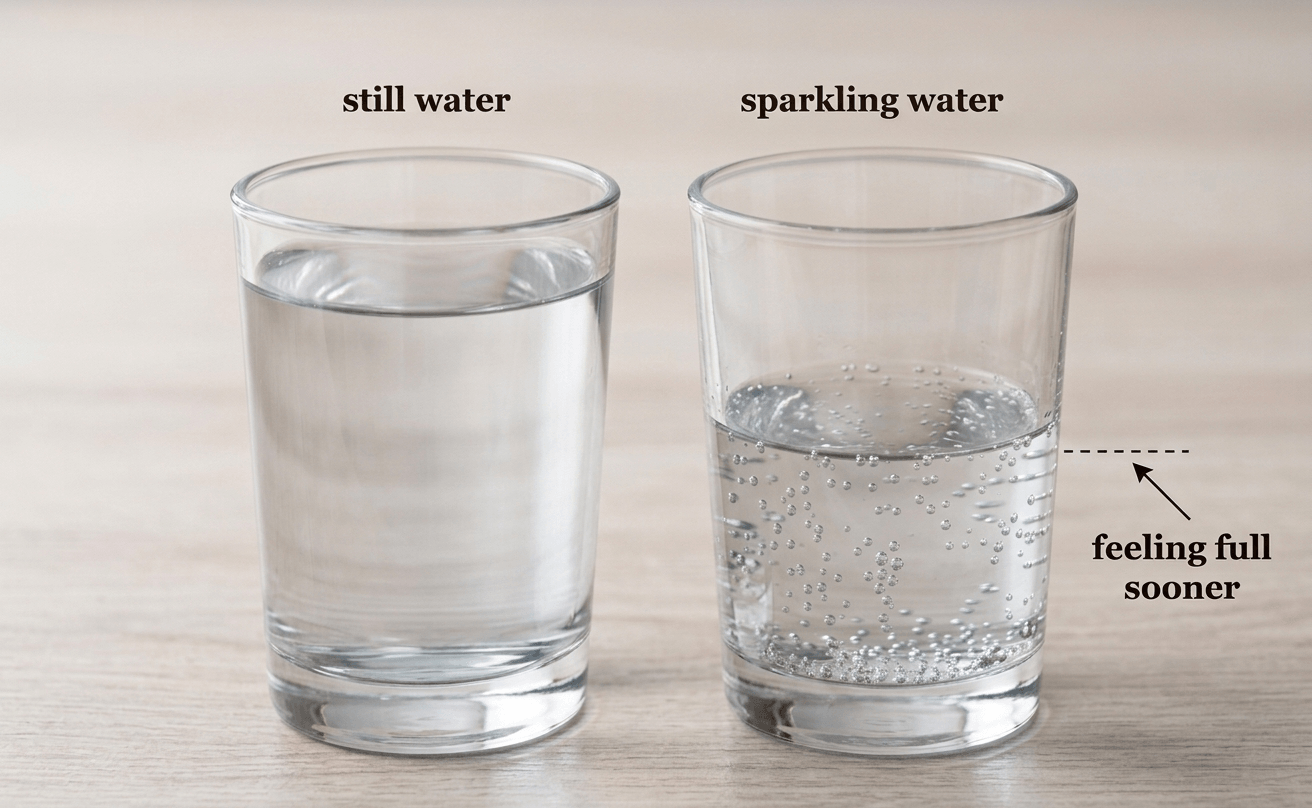
After exercise, people tend to drink less sparkling water than still water, since carbonation may cause a feeling of fullness and mild stomach discomfort. The result is lower overall fluid intake—not because carbonation impairs hydration, but simply because people drink less of it.
So, is sparkling water hydrating enough for athletes? Yes, it can be. The key is drinking enough of it and choosing a brand with added electrolytes if you tend to drink less due to bloating.
When to Choose Still Water Instead
Sparkling water is a safe, hydrating choice for most people, but in certain situations, still water is the better option. Let’s see a few examples:
- You have IBS, GERD, or SIBO and are currently experiencing a flare-up. Carbonation can worsen bloating, gas, and heartburn symptoms, especially when they’re already active.
- You have a sensitive bladder or a form of cystitis. The mild acidity and CO₂ content of sparkling water can increase urgency and irritation.
- You’re trying to control high blood pressure. Some sparkling waters, like club soda, contain added sodium and may work against your efforts.
- You’re about to exercise. The fullness and mild discomfort from carbonation may cause digestive discomfort during training.
- You want to increase your overall water intake. Some people find still water easier to drink in larger amounts. The bubbles in sparkling water can bring on a sense of fullness faster, which can make you stop drinking sooner than you would with plain water.
Outside of these scenarios, the choice comes down to personal preference. Plain sparkling water is just as hydrating as still water, and contrary to popular belief, it has no impact on bone density.
That said, many claims surrounding carbonated water are overblown.
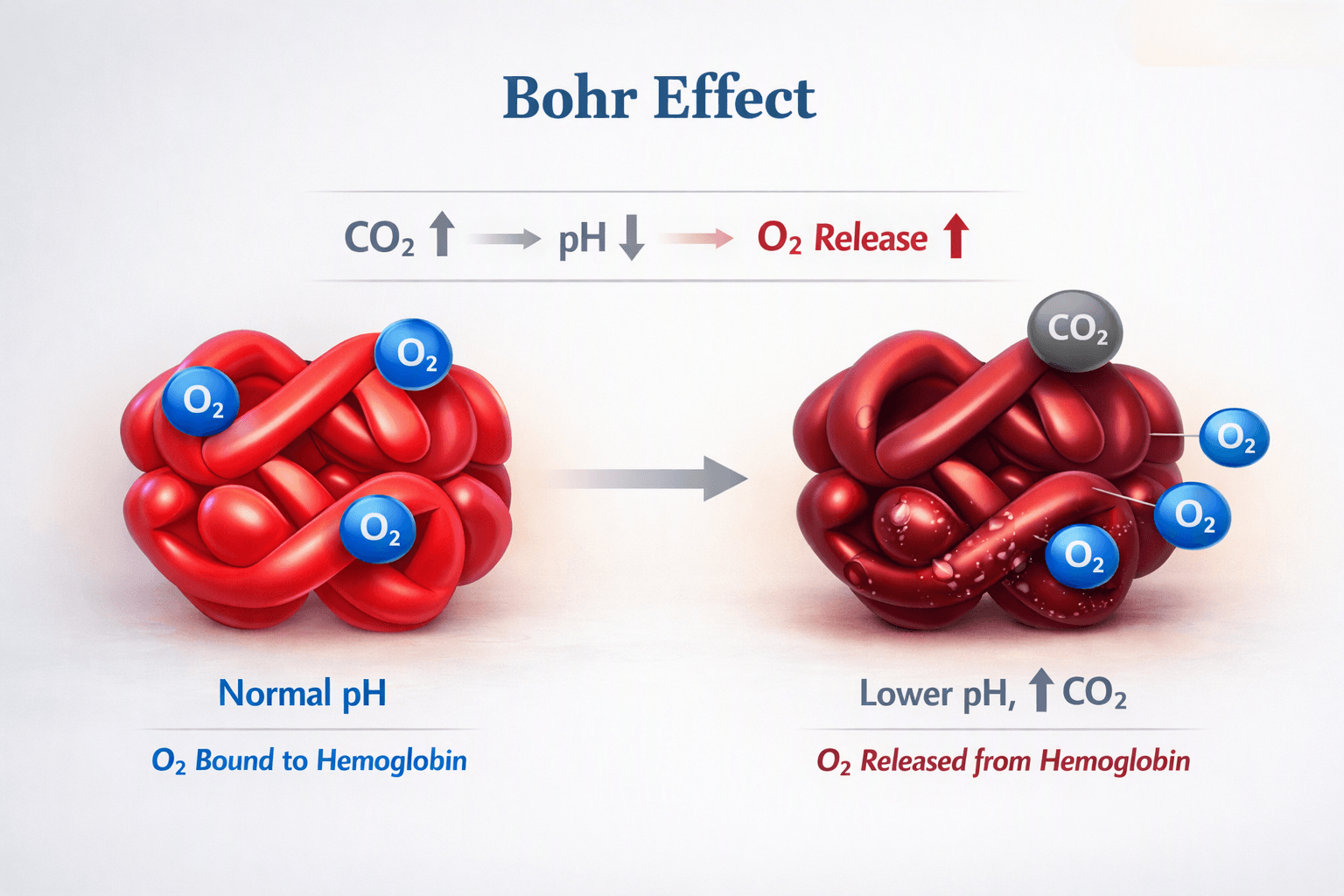
For instance, you may have come across the idea that sparkling water boosts oxygen delivery to your tissues through the Bohr effect, a phenomenon where rising CO2 levels in the blood cause hemoglobin to release oxygen more readily.
The claim goes that drinking carbonated water triggers this same response, leading to increased energy, stamina, and mental clarity, especially during exercise or in hot conditions.
It’s a compelling story, but it doesn’t hold up physiologically. The CO2 in sparkling water is absorbed in your digestive tract, not your bloodstream—most of it is released as gas long before it could influence blood chemistry. And even if a small amount was absorbed, your body tightly regulates blood pH and CO2 levels through breathing and internal buffering systems, correcting the fluctuation almost instantly.
Simply put, drinking sparkling water doesn’t trigger the Bohr effect in any way that would noticeably change how your tissues use oxygen.
Bubbles or No Bubbles? Your Body Doesn’t Care About the Fizz.
To circle back to our original question, “Is sparkling water hydrating?“—the answer is a clear yes. Bubbles or not, water keeps you hydrated and supports overall health.
What matters is how your body responds to carbonation. If you have a sensitive bladder, acid reflux, digestive disorders, or other conditions, still water may simply feel better. It can also be a more comfortable option during exercise, when carbonation may cause digestive discomfort.
Whichever you choose, both sparkling and still water are far healthier and more hydrating than soda, alcohol, or energy drinks. And if you’re someone who finds plain water a little boring, then go for the fizz.
Sparkling Water and Hydration FAQs
Yes. Plain sparkling water hydrates you just as effectively as still water. The bubbles don't reduce hydration—they only change how the water feels when you drink it.
Yes, to some extent. Carbonation can increase belching or fullness, and some people find it helps relieve mild constipation. Others experience more bloating. If you have a sensitive stomach, GERD, IBS, or SIBO, still water may be the better choice.
Sometimes. The bubbles create a sense of fullness that can temporarily reduce appetite. Drinking sparkling water isn't a weight-loss strategy, but it can make it easier to control your food intake and curb mindless snacking.
Athletes can benefit from drinking sparkling water just as much as anyone else, but still water is usually better before and during exercise. Carbonation can cause fullness or digestive discomfort, making it harder to drink enough.
Plain sparkling water doesn’t contain electrolytes. If you sweat heavily or train in the heat, look for a brand with added sodium or minerals to support proper hydration.
Plain sparkling water is generally considered safe during pregnancy, and as an added benefit, the fizz can help ease an upset stomach or morning sickness. For babies, it's best to stick with plain still water because carbonation may cause painful gas, burping, or bloating.
No, this is a myth. Plain sparkling water doesn't affect your bones or teeth. The confusion comes from studies on cola beverages, which contain phosphoric acid and other ingredients linked to dental erosion and reduced bone density.
There's no evidence that plain sparkling water harms kidney function in healthy people. If you have kidney stones or a related condition, be aware that some mineral waters contain high levels of sodium or calcium, which can further affect your kidneys. Plain seltzer is generally safe.
It depends on how your body responds to carbonation. A 2002 study found that carbonated water may improve gallbladder function and ease dyspepsia symptoms, including constipation, in just two weeks. Tap water didn't have this effect. Another study reported similar findings, showing that carbonated water can significantly reduce constipation in older adults.
However, these studies were small and didn't account for diet or other lifestyle factors influencing digestion. It's also unclear whether the benefit came from carbonation itself or the water’s mineral content. .
Yes, you can swap still water for sparkling water if you find it more palatable. Alternatively, mix sparkling and still water, especially if you experience bloating or need to drink larger amounts during exercise.
Note that carbonation may worsen a sensitive bladder, cystitis, GERD, or digestive disorders like IBS. In such cases, it's best to stick to still water and limit sparkling water.
