
Does Collagen Help with Joint Pain? Yes—but Not in the Way You Might Think

-
Andra Picincu
Thinking about taking collagen supplements for joint pain? Before you do, make sure you choose the right kind—ideally, hydrolyzed Type II collagen combined with zinc, vitamin C, and anti-inflammatory compounds like turmeric or devil’s claw.
I have reactive arthritis and a few other joint issues, including a meniscus tear that flares up from time to time. Until two years ago, I was reluctant to take collagen supplements because I’d read that oral collagen had low bioavailability. While the research is mixed, my experience has been positive.
Dietary supplements, including collagen, won’t reverse arthritis or heal a torn meniscus. They may, however, improve joint health while reducing pain, inflammation, and stiffness.
So, what can you realistically expect from collagen supplements, and how do you choose one that works for joint pain? Let’s find out.
What Is Collagen?
Collagen is the most abundant protein in the human body, giving tissues strength and elasticity. Think of it as the glue that holds your skin, bones, joints, and muscles together.
Researchers have identified 28 types of collagen, with Type I accounting for 90% of the body’s total collagen. As a dietary supplement, Type I (often paired with Type III) supports skin, hair, and nail health.
Type II makes up about 90% of the collagen in cartilage, the tissue that cushions the ends of your bones and helps your joints move smoothly. When your body produces enough of it, cartilage stays strong and flexible, allowing the joints to absorb shock more effectively.
Joint health supplements usually contain either undenatured or hydrolyzed Type II collagen:
- Undenatured Type II collagen (UC-II) is structurally intact and typically taken in small doses (~40 mg/day). It interacts with immune tissue in the gut, where it may help modulate the inflammatory response involved in conditions like osteoarthritis and rheumatoid arthritis.
- Hydrolyzed collagen is broken down into small, easily digestible peptides that can be absorbed into the bloodstream. These peptides and their constituent amino acids support collagen synthesis and other processes involved in maintaining cartilage and connective tissue. Hydrolyzed collagen is therefore typically taken in much higher doses (2.5–15+ g/day) and consistently over longer periods.
The two forms of collagen support joint health through different mechanisms.
UC-II acts on the immune system, which may help reduce joint inflammation. Hydrolyzed collagen has anti-inflammatory properties, too, but to a lesser extent. Its main role is to stimulate collagen production and maintain healthy cartilage.
Why You May Need Collagen Supplements for Joint Pain

Collagen supplements benefit some people more than others, depending on age, activity level, and health needs. Here are a few situations in which they may help:
- Age-related decline: Collagen production declines by 1-1.5% per year after age 25. By age 40, we lose about 15% of the collagen in the skin and other tissues. The decline is even steeper in women, especially around menopause, when falling estrogen accelerates the loss.
- Lifestyle and environmental factors: Smoking, UV radiation, air pollution, high-sugar diets, excessive alcohol, and chronic stress all affect collagen synthesis. For example, prolonged stress raises cortisol levels, which in turn accelerates collagen breakdown.
- Arthritic conditions: The inflammatory processes and autoimmune responses involved in arthritis degrade collagen over time, affecting cartilage integrity. If you have osteoarthritis, rheumatoid arthritis, lupus, or a related condition, you may be losing collagen faster than someone in good health.
- Musculoskeletal injuries: Meniscus tears, ACL tears, and similar injuries cause microscopic tears or full ruptures in the extracellular matrix, which is made mostly of type I and type II collagen. Periods of reduced activity or immobilization that follow these injuries can slow collagen turnover and tissue remodeling.
Generally, it’s a combination of these factors that makes collagen supplements worth considering for joint pain.
Say you’re in your mid-30s and recovering from a knee injury. Supplemental collagen may help ease pain, reduce inflammation, and promote cartilage repair.
“The exact mechanism of how collagen works to repair cartilage is unknown. It is suggested that collagen derivatives or peptides are absorbed by the body and help to stimulate native collagen synthesis and repair within cartilage.”
If you’re in your 60s and experiencing age-related joint stiffness, collagen may improve joint health and range of motion. At the same time, it may slow cartilage and bone degradation and help maintain lean muscle tissue.
What the Research Says
A few years ago, I believed oral collagen was poorly absorbed into the body. As it turns out, I wasn’t entirely wrong, according to 2026 research published in Food, Nutrition, and Health:
👉 Native (undenatured) collagen is difficult to digest and absorb because of its large, intact molecular structure. While UC-II doesn’t directly contribute to collagen synthesis, it interacts with the gastrointestinal immune system, which may help calm the inflammatory response behind joint pain and swelling.
👉 Hydrolyzed collagen, on the other hand, is broken down into smaller peptides that are more easily digested and absorbed. This process improves its bioavailability, ensuring your body can actually use the collagen peptides.
But what does that mean when it comes to joint health? Here’s what the research says about collagen supplements for joint pain.
Hydrolyzed Collagen May Reduce Activity-Related Joint Pain
If you’re an athlete, a regular gym-goer, or someone who spends long hours on their feet, it’s normal to experience occasional joint pain. That’s one area where hydrolyzed collagen may help.
In a 24-week study, 73 athletes took 10 grams of hydrolysed collagen daily. After six months, they reported significantly less joint pain during activities like walking and running compared to the placebo group.
In another study, researchers evaluated the effects of a food supplement containing hydrolyzed collagen in people with chronic knee pain. Those who took it daily for 40 days experienced a noticeable reduction in pain upon waking up and immediately after exercise, compared to the placebo group. While collagen didn’t increase knee range of motion, participants reported improvements in perceived physical function.
The researchers point to similar findings from previous studies. For example, a 2006 clinical trial involving 100 people with hip, shoulder, or knee pain related to physical activity found that 78% of those who took 10 grams of hydrolyzed collagen daily for three months reported less pain in the affected joint.
Furthermore, a 2009 study conducted on people with knee osteoarthritis found that taking 10 grams of hydrolyzed collagen daily for six months resulted in significantly less pain compared with placebo.
💡 Why This Matters
Exercise increases blood flow, which may improve the delivery of collagen-derived amino acids and bioactive peptides to connective tissues—tissues that are relatively poorly vascularized to begin with. From this angle, collagen supplements for joint pain related to physical activity may be particularly beneficial.
Knee pain limiting your workouts? Try these low-impact cardio exercises for bad knees to stay active without making things worse.
Undenatured Collagen May Ease Knee Osteoarthritis Symptoms
Knee osteoarthritis (OA) isn’t curable, but its symptoms can be managed with lifestyle changes, physical therapy, and medical treatment. In the early stages, some people may also benefit from dietary supplements, including collagen.
In one study, 191 men and women with knee osteoarthritis took 40 milligrams of undenatured collagen II, 1.5 grams of glucosamine, 1.2 grams of chondroitin, or a placebo daily for six months.
When the study ended, the UC-II group had less joint pain and better mobility than those using glucosamine, chondroitin, or a placebo. UC-II also produced greater improvements in physical function and knee stiffness. The supplement was well tolerated.
This was one of the stronger head-to-head trials for collagen supplements for joint pain, since it compared UC-II directly against two already-established options.
Collagen Supplements May Improve Bone Density
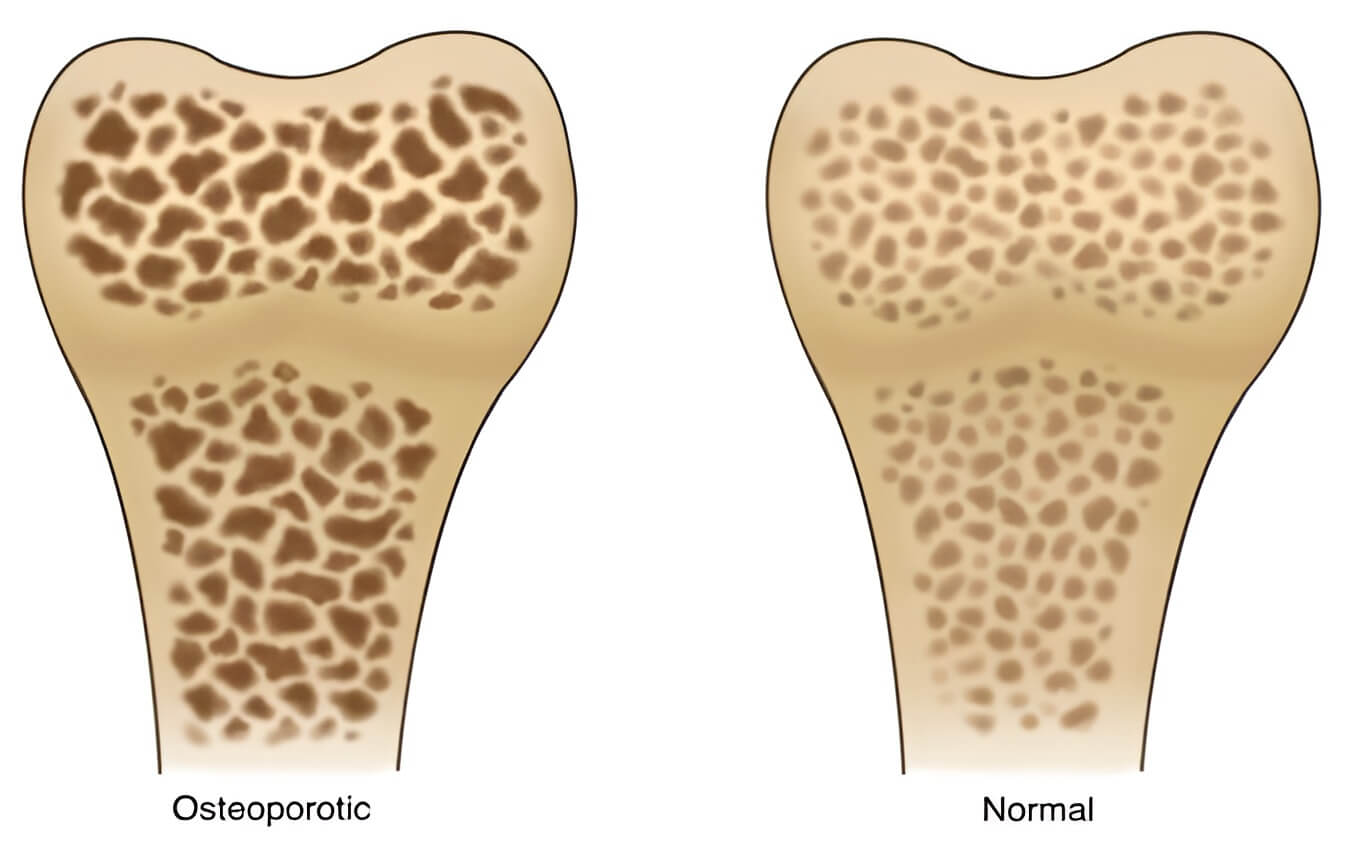
Bone health is closely tied to joint health, and collagen may benefit both.
Take osteoporosis, for example. This disorder affects one in three women and one in five men over age 50, causing the bones to become weak and brittle enough to fracture under mild stress, such as a minor fall.
Like arthritis, osteoporosis can’t be cured or reversed, but there are ways to keep it under control. According to a 2018 study, collagen could play a supportive role by stimulating bone formation.
Researchers gave 131 postmenopausal women with low bone mineral density either collagen peptides or a placebo daily for 12 months. By the end of the study, the collagen group showed significant improvements in bone density, along with an increase in markers of bone formation.
A 2020 review found similar effects for hydrolyzed collagen, associating it with increased bone mineral density, protection of articular cartilage, and reduced joint pain.
Dosages varied, but 8g/day appeared sufficient to raise plasma levels of glycine and proline, two amino acids involved in collagen synthesis. Higher doses (12g/day) were linked to symptom improvement in both osteoarthritis and osteoporosis.
💡 Why This Matters
The likely explanation is that collagen peptides supply the amino acids used to build the collagen-rich framework of bone. Some research suggests they may also influence osteoblasts—the cells responsible for bone formation—and other processes involved in bone remodeling.
Collagen also supports muscle tissue and connective structures like tendons and ligaments, improving strength and stability. Therefore, it may lead to higher bone density, healthier bone turnover markers, and improved muscle performance, especially when paired with calcium and vitamin D.
Collagen Supports Joint Mobility
Your joints can hurt to the point where you can no longer fully strengthen your knee, carry a grocery bag, or even hold a water bottle. Wrist pain, for example, can make typing, lifting weights, or even chopping vegetables difficult.
While collagen isn’t a cure-all, it may help improve joint flexibility and range of motion. According to a recent review, all studies conducted on people without arthritis found that native Type II collagen can boost mobility and reduce joint discomfort.
Let’s start with a 2022 study published in the Journal of Integrative and Complementary Medicine. Researchers asked 96 healthy subjects aged 20 to 55 to take either 40 mg of undenatured collagen or a placebo every day for six months.
- By the end of the study, knee flexion (the ability to bend the knee) increased by 3.23° in the collagen group, compared to just 0.21° in the placebo group. This improvement was already significant after eight weeks.
- Knee extension also improved by 2.21° in the collagen group, while the placebo group showed a smaller, nonsignificant increase of 1.27°.
Interestingly, the effect was even more pronounced in participants over 35. Their knee flexion increased by 6.79° with collagen supplementation, compared to only 0.30° with a placebo.
While results vary across studies, the overall evidence is encouraging: collagen supplements can help people move with less pain, whether the discomfort stems from exercise, aging, or joint degeneration. And since these benefits come without major safety concerns, collagen stands out as a low-risk option for supporting joint health.
Why Not Just Eat Foods Rich in Collagen?

In a perfect world, we’d get all the collagen we need from food. Bone broth, chicken, sardines, and other collagen-rich foods are widely available and can fit into most diets. If you’re vegan, you won’t find collagen in plant-based foods, but fruits, vegetables, legumes, and nuts supply the zinc, vitamin C, and amino acids your body needs to produce this protein.
However, things are a bit more complicated in real life.
First, not everyone eats enough collagen-rich foods on a regular basis.
Second, even a well-balanced diet may not provide the concentrated amounts of collagen found in supplements. The latter also deliver collagen in a form that’s easier to digest and absorb, particularly hydrolyzed collagen peptides.
For older adults and people dealing with joint problems, getting enough collagen from food alone can be difficult. Supplements offer a more practical way to boost your collagen intake when dietary sources are not enough.
Collagen Doesn’t Work by Itself
Taking collagen supplements for joint pain may not be enough to see meaningful results. Collagen doesn’t work in isolation—pair it with vitamin C, zinc, copper, and manganese to fully reap the benefits.
- Vitamin C is a cofactor for prolyl hydroxylase and lysyl hydroxylase, two enzymes involved in collagen synthesis. It also acts as an antioxidant, protecting collagen from oxidative damage caused by pollution and UV exposure.
- Zinc supports collagen synthesis and prevents collagen breakdown. It also activates lysyl oxidase, an enzyme responsible for cross-linking collagen fibers—the process that gives them strength and structural integrity.
- Copper contributes to collagen production and helps maintain the strength and integrity of collagen fibers. It also supports lysyl oxidase activity and helps protect connective tissue from oxidative stress.
- Manganese activates prolidase, an enzyme that supplies the amino acid proline for building new collagen. Like zinc and copper, it also activates lysyl oxidase, reinforcing the same cross-linking process described above. At the same time, it helps osteoblasts (bone-building cells) produce the collagen-rich matrix that gives bones strength and flexibility.
Some of the best collagen supplements for joint pain contain the above nutrients, too. At the very least, look for a formula that combines collagen, zinc, and vitamin C—and make sure your diet provides plenty of copper and manganese.
I also recommend choosing a collagen supplement that contains anti-inflammatory compounds like turmeric or devil’s claw. That’s what the doctor prescribed for my meniscus tear, and I’ve found it helpful. Now I can walk for hours, climb stairs, and even squat with a meniscus tear like it’s nothing.
Alternatively, take turmeric or another natural anti-inflammatory supplement separately. Collagen has mild anti‑inflammatory effects on its own, but pairing it with a stronger anti‑inflammatory compound provides additional support for managing joint pain and swelling.
Collagen Isn't Magic, But It Might Still Help
Collagen has made a difference in my recovery, helping me manage the aftermath of three meniscus tears more easily. I also noticed that my skin looks brighter and healthier, and I experience bouts of inflammation much less often than I used to.
My advice is to take collagen supplements for joint pain daily, as their effects are cumulative over time. The formula I use provides 11 grams of hydrolyzed Type I collagen and 10 milligrams of native Type II collagen, plus vitamin C, zinc, manganese, and devil’s claw.
Just keep your expectations realistic. Supplemental collagen isn’t magic, and how much it helps depends on the nature and severity of your injury—or whatever joint problems you’re dealing with. The type of collagen, its purity, the dose, and other ingredients in the formula all play a role.
If you’re still on the fence, give it a try. Choose a high-quality formula, use it consistently for at least three months, and see how your body responds.
A Note About AI: Some images on Shape Your Energy are created with the help of AI, and I may occasionally use AI tools to refine parts of the text for clarity, flow, or readability.
The content itself is written by me, based on my professional knowledge, experience, research, and original ideas. I don't use AI to generate my articles or replace my own expertise and judgment. Any AI-assisted edits are reviewed and adapted by me before publication.
Collagen for Joint Pain: FAQs
Most studies on hydrolyzed collagen for joint pain use doses of around 8 to 15 grams per day, while undenatured Type II collagen (UC-II) is typically taken in much smaller amounts (~40mg daily) because it works through a different mechanism.
Check the label to see which form of collagen your supplement contains and follow the dosage used for that specific type rather than assuming "more is better." Consistency matters, too, as improvements in joint comfort and mobility can take several weeks to become noticeable.
Collagen supplements are generally well tolerated. Clinical trials have reported relatively few significant adverse effects, although some people may experience mild digestive symptoms or an unpleasant aftertaste.
As with any supplement, quality matters. Check the collagen source, the full ingredient list, and the serving size, especially if you have food allergies or dietary restrictions.
Collagen occurs naturally in animal connective tissue, such as pork skin, chicken skin, fish skin, and tougher cuts of meat. Bone broth, shellfish, and tough cuts of beef are rich in this protein, too.
Plant-based foods don't contain collagen, but they provide vitamin C, zinc, sulfur, copper, and other nutrients that aid in collagen synthesis. Garlic, for instance, is high in sulfur, a mineral that supports collagen production and helps prevent collagen breakdown.
Your body uses vitamin C to produce and stabilize collagen. This nutrient acts as a cofactor for the enzymes involved in collagen synthesis, helping give newly formed collagen the strength and structure it needs.
If your diet already provides enough vitamin C, you don't necessarily need a separate supplement. You can get it from citrus fruits, berries, peppers, broccoli, and leafy greens, or choose a collagen formula that contains vitamin C.
There's no such thing as "vegan collagen," since collagen is an animal protein. What's marketed as vegan collagen is usually a blend of plant-based compounds (e.g., vitamin C, silica, amino acids, or specific herbs) intended to support your body's own collagen production.
These products may still be useful as part of a broader strategy, but they work through a different mechanism than animal-derived collagen supplements for joint pain, and the evidence for their effectiveness is limited.
No, it doesn't. However, some collagen formulas contain turmeric or other ingredients that may interact with medications. Check the label, and when you're in doubt, ask your doctor or pharmacist before adding a collagen supplement to your routine.
Proper hydration is one of the most overlooked aspects when taking collagen. This compound needs water to be absorbed and transported to your tissues, and without enough fluids, your body can't use it as efficiently.
The other thing people underestimate is patience. Collagen isn't an instant painkiller, and you shouldn't expect your joints to feel dramatically different after a few doses. The effects often take several weeks or months to occur.
Running, walking, lifting weights, playing sports, or simply standing for long hours puts repeated stress on your joints and connective tissues. Collagen may help protect cartilage and reduce the micro-damage caused by that stress. Think of it as giving your joints a bit of a cushion before they start complaining, especially since collagen production declines with age well before the symptoms show up.
That doesn't mean every active person needs collagen supplements. But if you're experiencing recurring joint discomfort or want to take a proactive approach to joint health, consider adding collagen to your diet.
Joint pain due to collagen loss occurs over time. At first, you may experience mild stiffness in the morning, joints that ache after activities that used to feel easy, or more frequent popping and clicking. Another sign is a gradual decline in mobility, though this symptom may also be due to arthritis or problems affecting muscles, tendons, or ligaments.
That said, only a medical professional can confirm the root cause of your joint pain. If your symptoms are persistent, worsening, or unexplained, it's better to have some tests done rather than assume you simply need more collagen.
Generally, it takes anywhere between four weeks and six months of daily use to see noticeable results from collagen supplements. The effects are cumulative, so the longer you take collagen, the more improvement you're likely to see.
Not necessarily—they just work differently. Glucosamine and chondroitin are structural components of cartilage, and research shows mixed, modest benefits for pain relief. Collagen acts through separate pathways, either by signaling chondrocytes to support cartilage repair (hydrolyzed collagen) or by modulating immune activity inside the joint (undenatured type II).
These products support joint health in complementary ways, so it’s better to take collagen alongside glucosamine and chondroitin rather than choosing just one.
Yes, in some cases. Collagen has mild anti-inflammatory effects and provides amino acids that your body uses to maintain connective tissue. However, its benefits vary depending on the type of arthritis, the severity of your symptoms, and the type of collagen you take.
If you're dealing with arthritis-related joint pain, collagen may be worth trying as part of a broader approach to joint health. Just keep your expectations realistic: it's not a treatment for arthritis, and it won't work equally well for everyone.