25+ Exercises That Can Make Lower Back Pain Worse (And What to Do Instead)
-
Andra Picincu
When it comes to managing lower back pain, most people fall into one of three groups. Some stay active no matter what, focusing on building core and back strength to manage their symptoms. Others avoid exercise altogether because it hurts. And then there’s the middle group—people who want to stay active because they know it helps, but one bad rep or awkward twist scares them into stopping altogether.
Across all three groups, everyone has a mental list of exercises to avoid with lower back pain: deadlifts, sit-ups, overhead presses, high-impact activities like running or jumping jacks, and so on. What many don’t realize is that almost every movement that stresses the spine follows one of five patterns.
Once you understand these patterns, you can spot the risk in any exercise or workout routine—and find safer alternatives without giving up training or losing progress. Here’s what you need to know.
The 5 Movement Patterns Behind Exercise-Related Back Pain
Certain exercises and everyday activities put strain on the spine, which can trigger or worsen lower back pain. Some seem harmless at first glance, but it’s the underlying movement pattern—not the activity itself—that stresses the lumbar area.
One example is washing your hair while bent over the sink or bathtub. Bending forward shifts your center of gravity, forcing your lower back muscles into an unnatural, overstretched position to keep you from tipping forward. The result? Lower back pain that can linger for hours or even days afterward.
The same principle applies to a deadlift performed with poor form. It’s not the deadlift itself that causes lumbar pain, but the rounding of the lower back under load, which places excessive stress on the lumbar spine.
With that in mind, let’s take a closer look at the movement patterns most likely to trigger lower back pain.
1. Spinal Flexion under Load
Whether in the gym or in everyday life, you can’t always avoid rounding your lower back. This movement pattern has long been considered a risk factor for lower back pain.
But the connection between a flexed spine and actual injury is less clear-cut than most people assume. Clinical research found no strong evidence that spinal posture during lifting causes structural damage and even showed that a rigid, straight‑backed lift isn’t always the safer or more efficient option in terms of spinal loading.
That doesn’t mean flexion is always harmless, though. Generally, it becomes a problem when it’s repeated, heavily loaded, or performed under fatigue—think the 47th rep of a sit-up set, or the 6th mile of a run once your form starts breaking down.
It can also become problematic when your lower back muscles are cold and unprepared for the movement. Say, you just stood up from your desk and bent down to grab a dumbbell that was in your way, with no warm-up or gradual build-up in load.
Why it hurts: When your spine rounds under load, your back muscles do less of the work, so your discs and ligaments pick up the slack instead. Spinal flexion also increases intramuscular pressure and reduces blood flow to the muscles running along your spine, which can contribute to lumbar pain.
Over time, repeated loaded flexion may reduce the thickness of those same muscles, making them less capable of supporting the spine when you need them most. While less common, one rounded rep can cause harm—but most often, it’s the cumulative stress that does the damage, particularly once fatigue, cold muscles, or heavy loads come into play.
| Exercises to Avoid | Safer Alternatives |
|---|---|
| Sit-ups and crunches Ab crunch machines (e.g., seated ab crunch machine) |
|
| Good mornings |
|
| Kettlebell swings |
|
| Bent-over row |
|
Most of the above exercises are safe for healthy people when performed with good form. I say “most” because a few can be problematic even for gym-goers with no back issues at all. Still, even those considered safe can damage your spine in the long run.
Take the ab crunch machine, for example. By forcing your spine into repeated forward bending while under heavy, unnatural loads, it puts pressure on the spinal discs, which can lead to bulging, herniation, or chronic back pain over time.
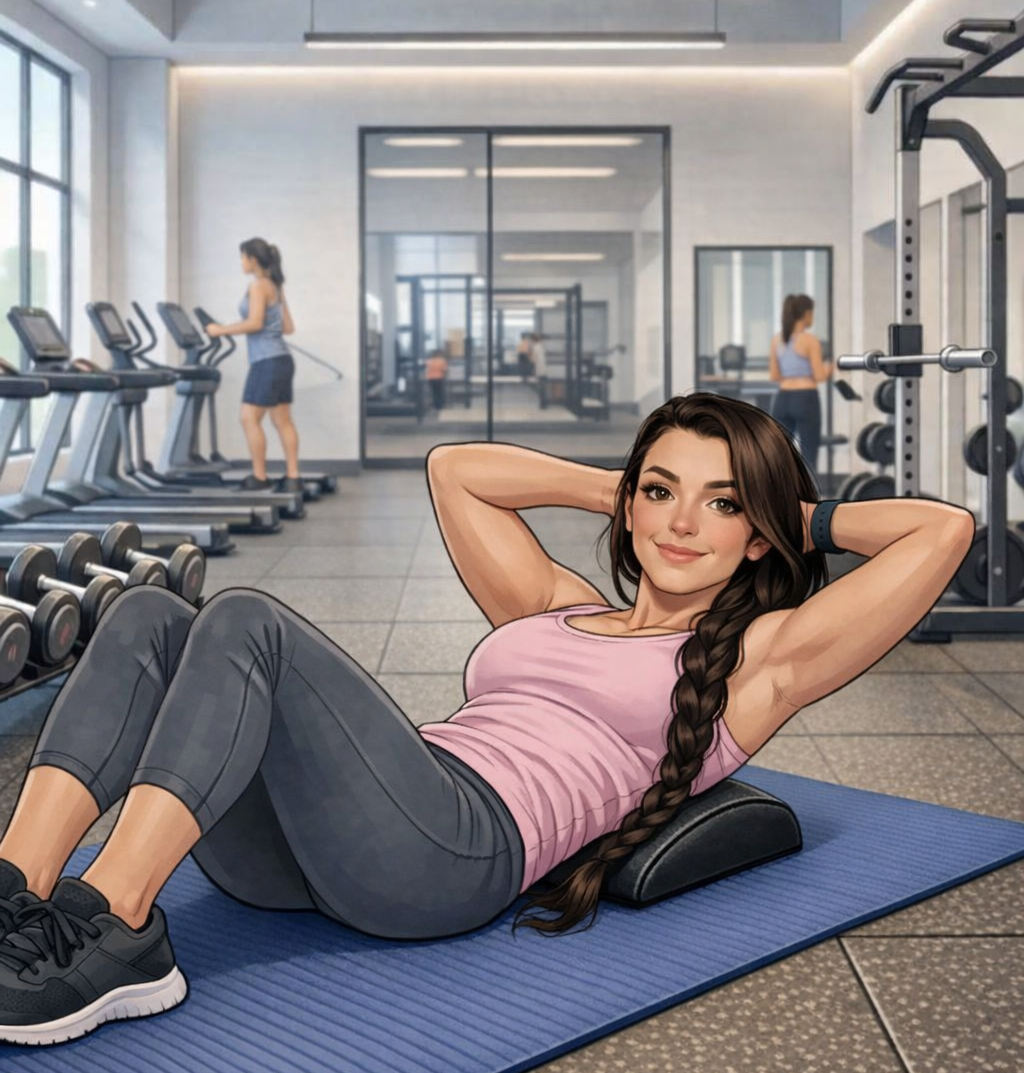
A safer alternative is doing crunches on an ab mat. The mat’s curve tilts your pelvis and supports your lumbar spine, allowing your abs to work more efficiently. Compared to the ab‑crunch machine or regular floor crunches, this variation reduces stress on the lower back while allowing a greater, more controlled range of motion for the core muscles.

2. Spinal Rotation under Load
The lumbar spine is structurally designed for flexion and extension, with only about 13 to 15° of total rotation. Twisting it under heavy external load forces the discs to absorb high torque and mechanical deformation, which can contribute to disc injuries and shear stress on the facet joints.
In an animal study, rotational force caused the most damage to intervertebral disc cells. But as the researchers note, these findings apply to humans, too, which is why we should avoid direct rotational movements in daily life.
Twisting rapidly under load is even worse for the lower back, as momentum removes control and places sudden shear force on the facet joints. Think Russian twists, medicine ball rotational throws, cable woodchoppers, or landmine rotations—unless performed in a slow, controlled motion.
Why it hurts: Your lumbar spine is capable of very little natural rotation compared to the thoracic spine and hips.
For this reason, most of your twisting capacity should come from higher up your back and through your hips, not your lower back. When a movement forces rotation to happen at the lumbar spine instead, especially under load, it places uneven, shearing stress on the discs and ligaments.

| Exercises to Avoid | Safer Alternatives |
|---|---|
| Russian twist |
|
| Cable woodchoppers |
|
| Barbell twist |
|
| Seated rotation machine |
|
The above exercises target the obliques. Personally, I train these muscles with the side plank and other plank variations, along with side hanging leg or knee raises.
As someone with chronic lower back pain, I find these movements to be the safest and just as effective as any exercise that involves spinal rotation under load.
3. Axial Compression (Heavy Vertical Loading)
Do you ever experience lower back pain when doing overhead presses, barbell back squats, or standing machine calf raises?
These exercises, usually performed with heavy loads, drive immense force through the intervertebral discs and vertebrae. For someone with a bad back, that pressure can increase the risk of disc herniation or accelerated degeneration over time.
The standing machine calf raise catches people off guard here; it doesn’t look like a “back exercise,” so the compression from the shoulder yoke often goes unnoticed. The same happens when performing a heavy overhead press: your shoulders and arms are doing the visible work, but your spine is absorbing the load underneath.
The truth is, your spine can handle a surprising amount of compression when your bracing and form are solid. The real trouble starts when that compression combines with poor technique, especially rounding at the bottom or top of a lift, which turns a manageable load into a much riskier one.
Why it hurts: Compression forces your spinal discs to absorb pressure from directly above. When that load is heavy, sustained, or repeated, the discs can lose some of their ability to cushion and distribute force evenly.
Add poor bracing or a rounded back into the mix, and the pressure concentrates on one side of the disc instead of spreading across it. That’s one instance where the risk of bulging or herniation goes up.
| Exercises to Avoid | Safer Alternatives |
|---|---|
| Barbell back squat* |
|
| Deadlifts* |
|
| Overhead press* |
|
| Upright row |
|
| Standing machine calf raise |
|
*These exercises are not inherently bad for your spine. The problem is that they're often performed with poor form (e.g., a rounded lower back or excessive forward lean) or heavy loads, which can put excessive stress on the vertebrae and lead to faster degeneration of the discs over time.
A good example is the barbell back squat. Done correctly, it’s one of the most effective exercises out there, hitting your quads, glutes, and core all at once.
But if you have back pain, opt for alternatives that place less strain on the spine. Depending on which muscles you’re targeting, you can swap back squats for goblet squats, front squats, walking lunges, or other lower‑body movements that don’t require loading your spine from above.
Say you want to build stronger quads. In that case, Bulgarian split squats, front squats, and leg extensions are all solid options.
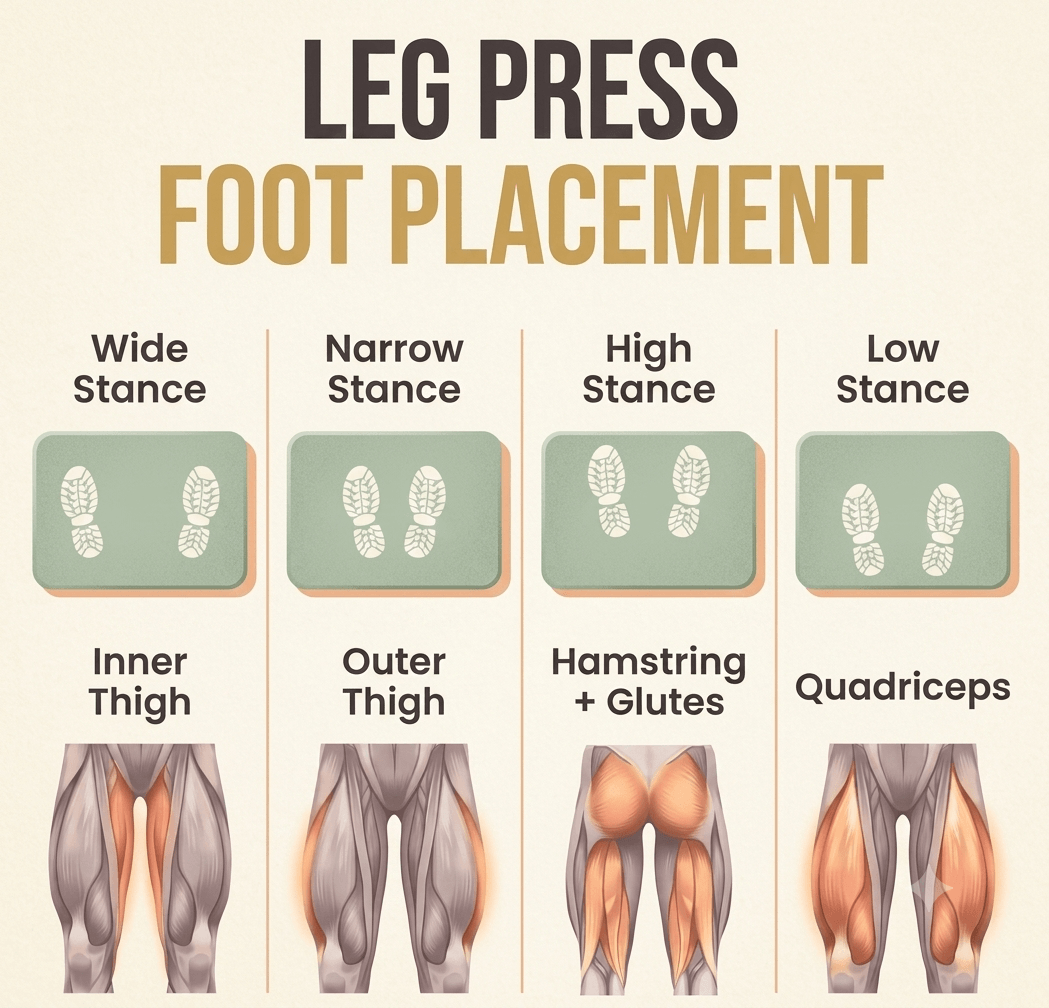
The leg press works too—place your feet lower on the platform to emphasize the quads, and adjust your stance width based on whether you also want to work the glutes or adductors.

4. High-Impact / Ballistic Movements
Running, box jumps, burpees, and other high-impact movements hit your spine with a sudden jolt. These often involve landing from a jump, changing direction quickly, or absorbing repeated pounding on a hard surface.
While excellent for cardiovascular endurance, such exercises can be hard on the joints. They can also cause or worsen lower back pain because repeated impact sends shockwaves directly through the spine, compresses the discs, and places heavy demands on the stabilizing muscles.
Why it hurts: Your spine handles gradual, controlled loading reasonably well. But the lumbar discs act as shock absorbers, and they’re exposed to intense, high‑velocity pressure when you repeatedly strike a hard surface. Additionally, once fatigue sets in and your posture starts to break down, your core muscles contribute less, shifting more of that load directly onto the vertebrae.
Over time, these movements can lead to microtrauma, disc irritation or herniation, and chronic back pain. And depending on the joints involved, you may also run into problems with your shoulders, elbows, hips, or knees.
| Exercises to Avoid | Safer Alternatives |
|---|---|
| Box jumps |
|
| Burpees |
|
| Running on concrete or asphalt |
|
| Jump rope |
|
Just because you have lower back pain doesn’t mean cardio is off the table. It simply means the surface, intensity, and your form matter more than the activity itself. A curved manual treadmill or a spinning bike can deliver the same heart-pumping benefits as running, but without the repeated impact.
If your goal is to build explosive power, you still have options that won’t hurt your spine. Sled pushes (see the image below) or pulls, med-ball slams or throws, and even kettlebell swings are all safer for the lower back than high-impact exercises like box jumps or burpees.
5. Static Hyperextension
Static lumbar hyperextension—basically overarching your lower back—puts excess pressure on the facet joints and ligaments at the back of your spine. It also forces your back muscles into a tightened, overworked state instead of letting them stabilize your core, which may lead to stiffness and spasms over time.
This movement pattern comes up rather often, since a lot of “good posture” or “back-strengthening” advice inadvertently pushes people to overarch their spine. Think about popular exercises like the superman hold or deep backbend yoga poses, where it’s easy to hyperextend without even realizing it.
Why it hurts: When your lower back arches beyond its natural range, especially while holding weight or sustaining the position, it compresses the small facet joints at the back of your spine and can pinch the soft tissues between vertebrae. Unlike a quick, controlled extension, holding that arched position removes the natural “give” your spine relies on to distribute load evenly.
| Exercises to Avoid | Safer Alternatives |
|---|---|
| Superman hold |
|
| Standing backbends |
|
| Deep backbend yoga poses (e.g., full wheel, camel pose) |
|
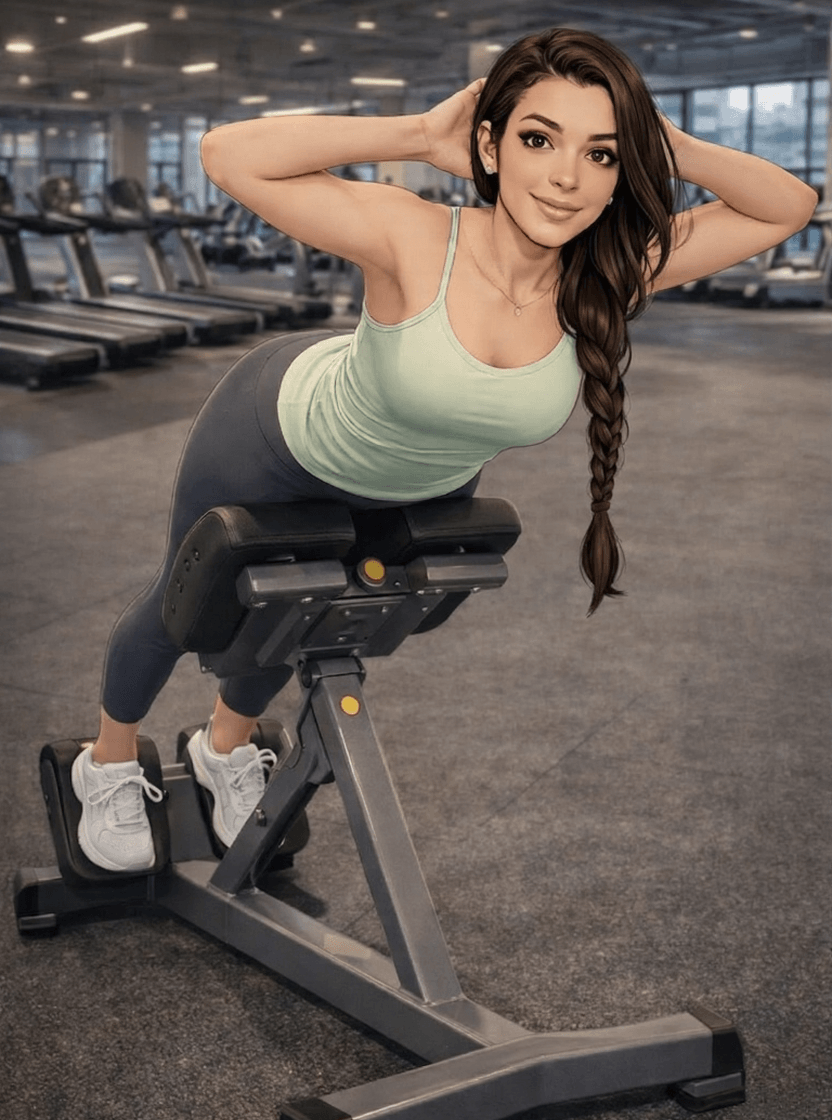
What about back extensions on a hyperextension bench? This exercise is generally safe when done in a slow, controlled manner. Just make sure you avoid common mistakes, like overarching at the top, bouncing at the bottom, or adding excessive weight.
I include back extensions toward the end of most workouts. On back‑training days, I’ll sometimes hold a light weight plate or dumbbell (around 10–20 lbs) for an extra challenge—though that’s optional, not necessary.
For most people, four or five sets of around 15 reps are more than enough to strengthen the posterior chain and improve core stability. With regular practice, back extensions can also boost flexibility and reduce back pain caused by prolonged sitting.
Exercises to Avoid with Lower Back Pain (+ Workout Safety Tips)
While there are dozens of exercises to avoid with lower back pain, you should do whatever feels right for your body. Every person responds differently to different movements, and even if an exercise seems off the table, you might be perfectly comfortable doing it. Plus, there are days when you can handle a particular exercise, and days when you can’t even think about it.
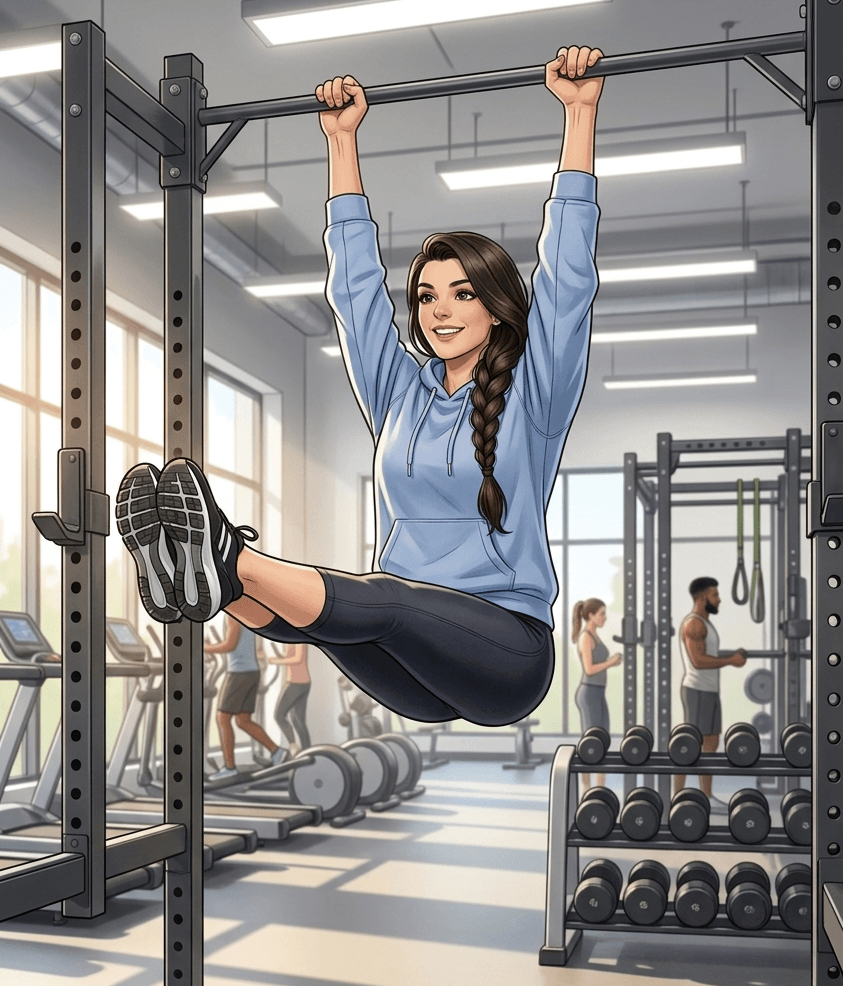
For example, I can do crunches when my back doesn’t hurt. But if I’m dealing with more pain than usual, I’ll stick to planks and, maybe, hanging leg raises (see the image on the left).
That said, proceed with caution around the exercises outlined below—they’re the ones most likely to trigger or worsen lower back pain when performed under load or with poor form.
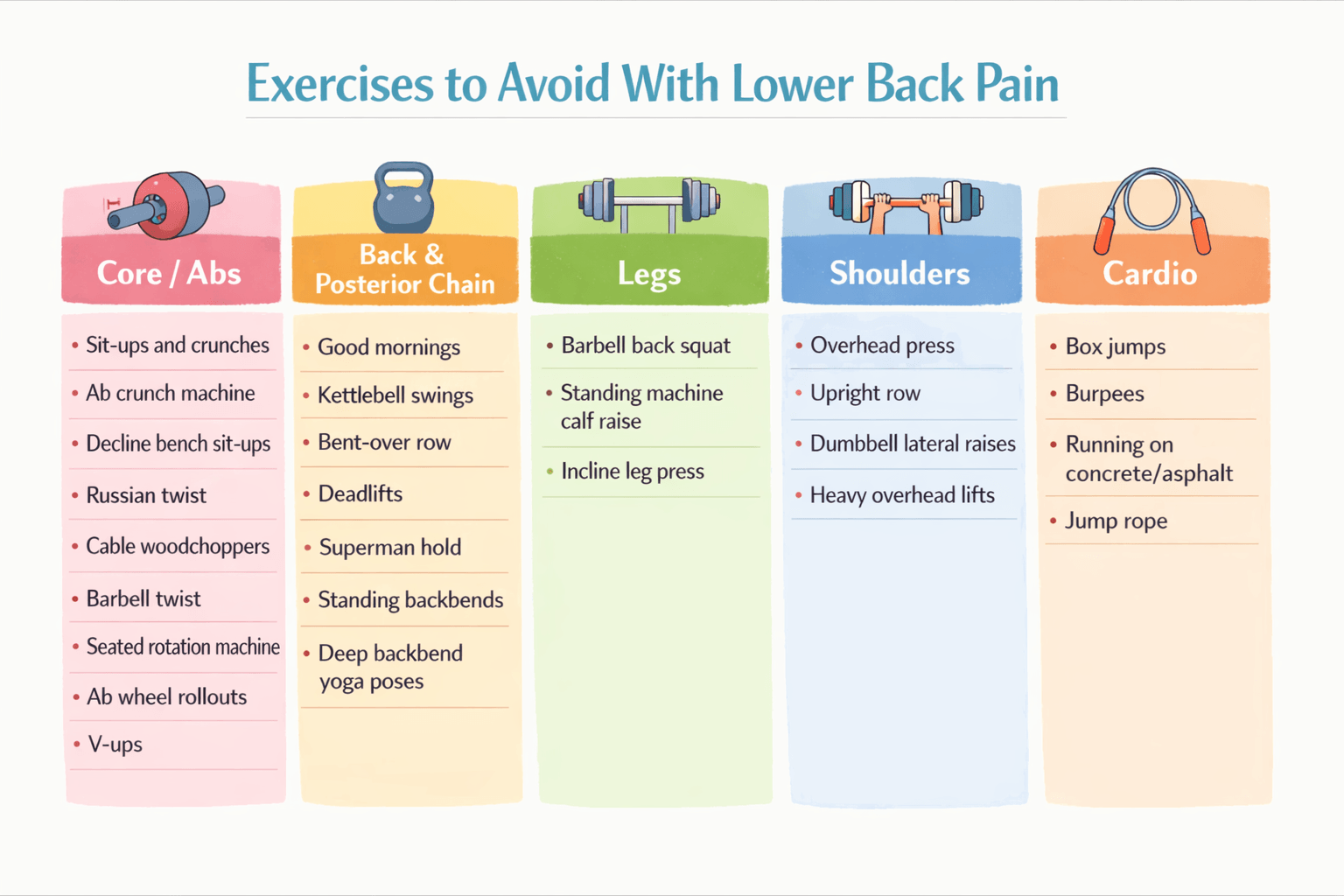
Core / abs
Sit-ups and crunches
Ab crunch machine
Decline bench sit-ups
Russian twist
Cable woodchoppers
Barbell twist
Seated rotation machine
Ab wheel rollouts
V-ups
Back & posterior chain
Good mornings
Kettlebell swings
Bent-over row
Deadlifts
Superman hold
Standing backbends
Deep backbend yoga poses
Legs
Barbell back squat
Standing machine calf raise
Incline leg press
Shoulders
Overhead press
Upright row
Dumbbell lateral raises
Heavy overhead lifts
Cardio
Box jumps
Burpees
Running on concrete or asphalt
Jump rope
But what if one or more of these movements are a staple in your workout routine? Try making them safer instead of cutting them out entirely:
- Use lighter weights or resistance bands.
- Adjust your body position to take some of the stress off your spine.
- Brace your core before starting the lift rather than tensing up halfway through the rep.
- Shorten the range of motion, especially toward the end of the movement where your spine takes on the most stress.
- Warm up with a few light reps before loading up.
- Lift in a slow, controlled manner.
- Pay attention to how your back feels the next day, not just during the set.
- Have a coach or training partner check your form occasionally; it’s easy to drift into bad habits without noticing.

Say your back hurts when you do dumbbell lateral raises. The likely culprit is momentum—leaning back or swinging the weight up to complete the rep puts your lower back to work when it should really be your shoulder doing the lifting.
The solution? Reduce the weight or swap dumbbells for resistance bands.
Another option is the leaning lateral raise. Hold onto a pole with one hand so your body leans away from it at a diagonal, then raise the weight with your opposite arm before switching sides.
Since you’re braced against something solid, you can’t lean back or swing to generate momentum. Your shoulder has to do all the work, which takes the pressure off your spine entirely.
Back Pain Doesn't Mean You Have to Stop Training
Lower back pain can turn your life upside down, but stepping away from training only makes things worse. While it’s OK to take a few days off during a flare-up, that doesn’t mean giving up on lifting altogether. In fact, stretching and strengthening the muscles that support your spine is one of the best ways to reduce pain over time.
I know this firsthand. Around age 30, I had excruciating back pain after a 10-hour car ride followed by a day spent moving furniture into my new home. It got so bad that I needed a walker and a cane while going through physical therapy for more than three months.
Obviously, it wasn’t the car ride or the furniture that caused the issue—it was a mix of factors that had been accumulating for years. When the doctor looked at my X‑rays, he asked if I’d been in a car accident, adding that my spine looked like that of a 60‑year‑old.
Before this episode, I was deep into bodybuilding. Afterward, I had to dial everything back and relearn everything I knew about training. My back pain resulted from degenerative disc disease, caused partly by genetic factors.
Fast forward to 2026, and I’m in the best shape of my life. Throughout the years, I kept training four to five times a week, alongside proper nutrition, weekly massages, and a lot of stretching. My most recent back MRI showed significant improvement compared to previous imaging. Today, I can walk, exercise, and stay active for hours with little to no back pain.
As for my workout plan, I still lift fairly heavy—but with perfect form and regular adjustments. I follow a bodybuilding-style routine, hitting each muscle group once or twice a week.
You, too, can and should keep working out. It won’t be easy, but the results pay off in the long run. Don’t like going to the gym? That’s perfectly fine. Do whatever activity you love, as long as you listen to your body and adjust as needed.
Use this list of exercises to avoid with lower back pain as a starting point. And remember, I’m here to help. Contact me for a personalized workout plan and ongoing support.
FAQ: Training with Lower Back Pain
There’s no universal list of exercises to avoid with lower back pain, as everyone’s spine reacts differently under stress. Still, most flare‑ups tend to come from the same movement patterns: rounding the spine under load (e.g., sit-ups or good mornings), twisting under load (e.g., Russian twists), heavy vertical compression (e.g., squats or deadlifts with poor form), high-impact movements (e.g., box jumps), and sustained overextension (e.g., superman holds).
Work with a personal trainer to pinpoint which movement pattern triggers your pain, rather than memorizing a list of banned exercises.
Absolutely. You can still train for muscle growth, even with lower back pain. The key is choosing exercise variations that don't irritate or overload your spine. A goblet squat instead of a heavy barbell back squat, or a chest-supported row instead of a bent-over row, can deliver a very similar training stimulus with far less spinal stress.
Not at all. Walking is one of the few activities that's almost universally well-tolerated, even during a flare-up, because it doesn't load the spine the way lifting or running does. Many people find that a daily walk actually reduces back pain by improving blood flow, mobility, and flexibility.
Note that treadmill walking isn't the same as walking outdoors. While treadmills provide a cushioned, shock-absorbing surface, they still tend to place more stress on the spine and joints than regular outdoor walking.
Usually, both. Stretching can temporarily ease tightness and improve range of motion, while strengthening the muscles that support your spine addresses the underlying issue over the long term. Relying on stretching alone tends to bring short-term relief without building the durable support your spine needs.
Speaking of stretching, this post-workout habit relieves back pain almost instantly. Stretch your lower back while your muscles are still warm; that’s when they’re more pliable, flexible, and able to lengthen with less resistance, making it easier to relieve tension and stiffness.
Yes, planks are generally safe as long as the lower back stays neutral rather than sagging or arching during the hold. If your hips start to dip, your core is fatiguing, and your lower back is picking up the slack, that’s your cue to end the set.
Keep in mind that certain plank variations can increase stress on the lower back and cause pain. Copenhagen planks, standing rotational planks with dumbbells, TRX plank variations, and other advanced versions require a lot of balance and stability and are often performed with poor form, which can raise injury risk.
There isn't one single "best" exercise, but movements that train your core without moving your spine (e.g., standard or side planks, dead bugs, and Pallof presses) tend to be better tolerated than exercises built around spinal flexion or rotation, like crunches or Russian twists. If you’re a fan of crunches or sit‑ups, consider using an ab mat for extra spine support.
It depends on how bad the pain is and which exercises you choose. For example, deadlifts and bent-over rows are more likely to worsen lower back pain than lat pullovers, wide-grip lat pulldowns, or pull-ups.
If you're not sure which exercises your back can tolerate, start with your usual routine but use a lighter weight to see how your body responds. If you feel pain, stop and try something else.
Lower back pain after a workout is often caused by lifting too heavy, using poor form, overtraining, or not engaging the right muscles. Sometimes, the pain is already there, and certain exercises aggravate it, even when your form is solid. The exercises covered earlier in this article tend to be the most common culprits.
The same principles apply as with regular training: add more weight gradually, adjust your range of motion as needed, and increase exercise difficulty, sets, reps, and other variables as your strength improves. Slow, steady progress is what prevents setbacks.
Complete bed rest for more than a day or two usually does more harm than good, since prolonged inactivity can cause stiffness and painful muscle contractions. Ideally, opt for active recovery, such as walking, stretching, gentle mobility work, and lighter training, unless your doctor advises otherwise.